How to Choose a Bulldozer for Earthworks and Mining in Nigeria
A bulldozer is bought for a reason that is easy to state and easy to get wrong: to move large volumes of material over short distances, and to prepare ground for everything that follows. Buy one for the wrong duty — for example as the main loading machine — and it becomes the most expensive mistake on the site. Buy one for the right duty, and it unlocks the productivity of every machine behind it.
This guide is written for contractors, mining companies and project buyers choosing a bulldozer for earthworks and mining in Nigeria: what the machine is genuinely for, how to match it to the work, and what decides its real cost over its life.
What a bulldozer is actually for
A crawler bulldozer is a pushing machine, not a loading machine. Its value shows up in specific duties:
-
Bulk earthmoving and spreading — moving cut material, spreading fill and shaping large platforms.
-
Overburden stripping — removing the layer above a deposit at mines and quarries.
-
Site preparation and clearing — clearing vegetation and obstacles, and preparing access.
-
Bench preparation and stockpile dozing — keeping working areas and material stockpiles productive.
Wherever muck needs to be pushed, the dozer is unmatched. Wherever material must be lifted and loaded into trucks, the excavator or loader is the right machine — a distinction worth settling before the specification, not after delivery.
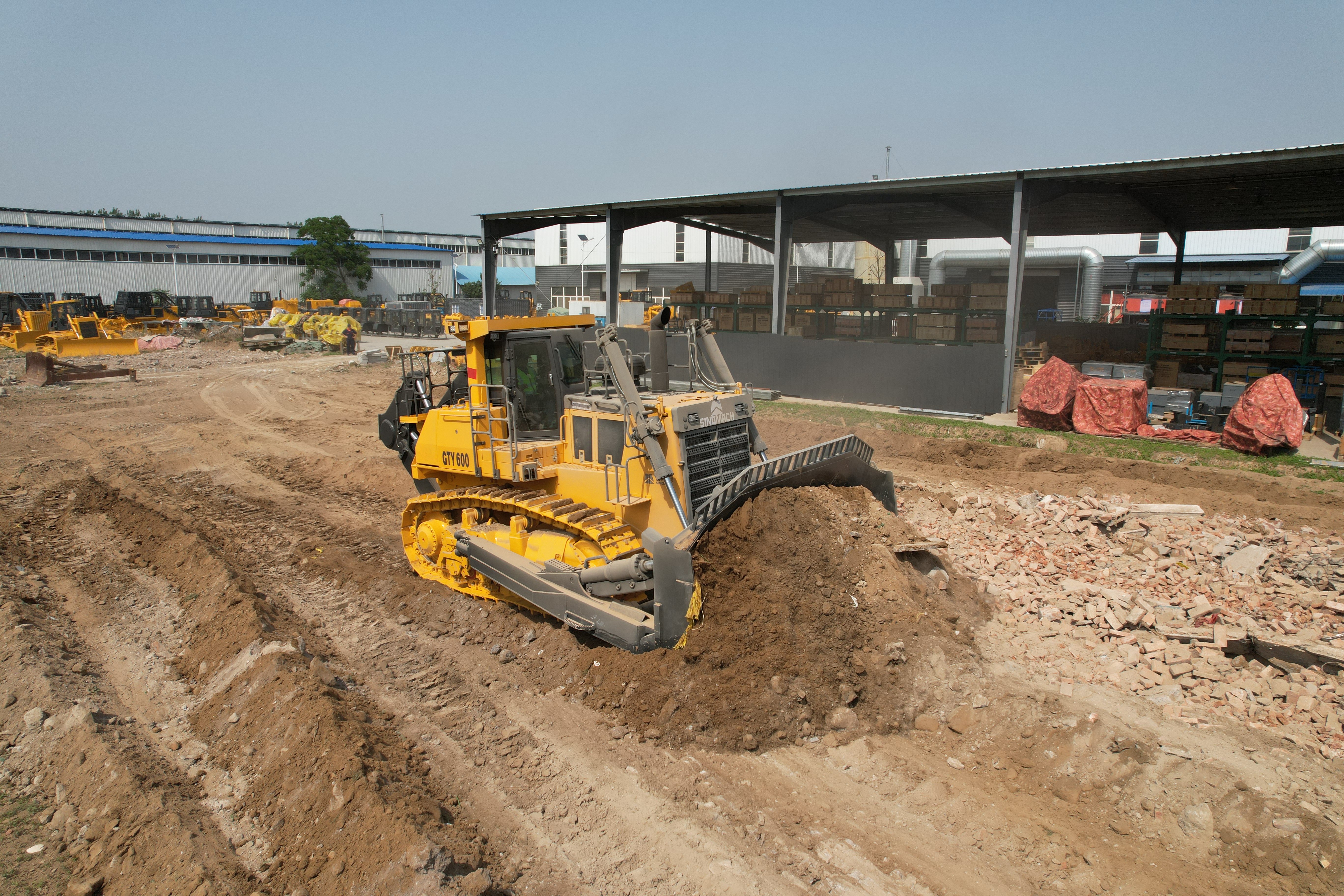
Matching a bulldozer for earthworks and mining in Nigeria to the duty
Bulldozer selection follows the same logic as any production machine — output first, machine second:
-
Material — loose soil, compacted fill, blasted rock and hard ground demand different machine preparation and, in hard ground, ripping capability.
-
Volume and push distance — the volume to be moved and how far it must be pushed decide the machine class and how many units the programme needs.
-
Ground conditions — soft, wet or sloping ground affects the choice of track and blade arrangement.
-
Integration — the dozer prepares ground and stockpiles for excavators and loaders; the machines that follow it decide what it must deliver each shift.
A dozer that is too small simply takes longer; one that is unsuitable for the ground is idle. Neither is a bargain.
Blade, ripping and the work in front of you
The machine's effectiveness comes down to how it meets the material:
-
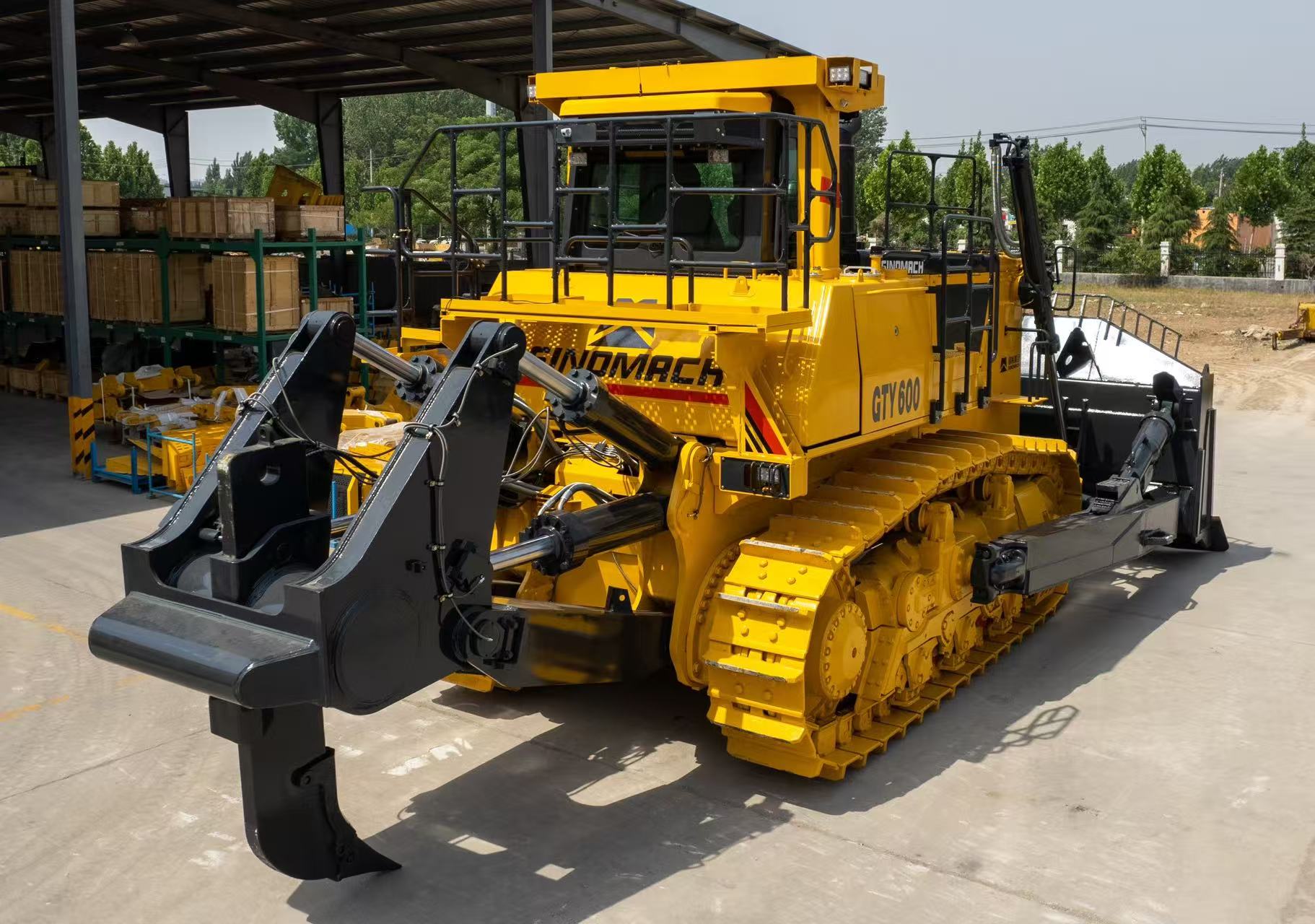
Blade configuration — different blade arrangements suit spreading, heavy pushing and mixed work; the right choice depends on your dominant task, not on what is available.
-
Ripping — where ground is too hard to push directly, ripping attachment capability determines whether the machine can loosen material for the excavator behind it.
-
Balance and traction — the power a machine can use is limited by its traction; matching the machine to the ground matters more than raw output on paper.
Track and undercarriage: where the real cost sits
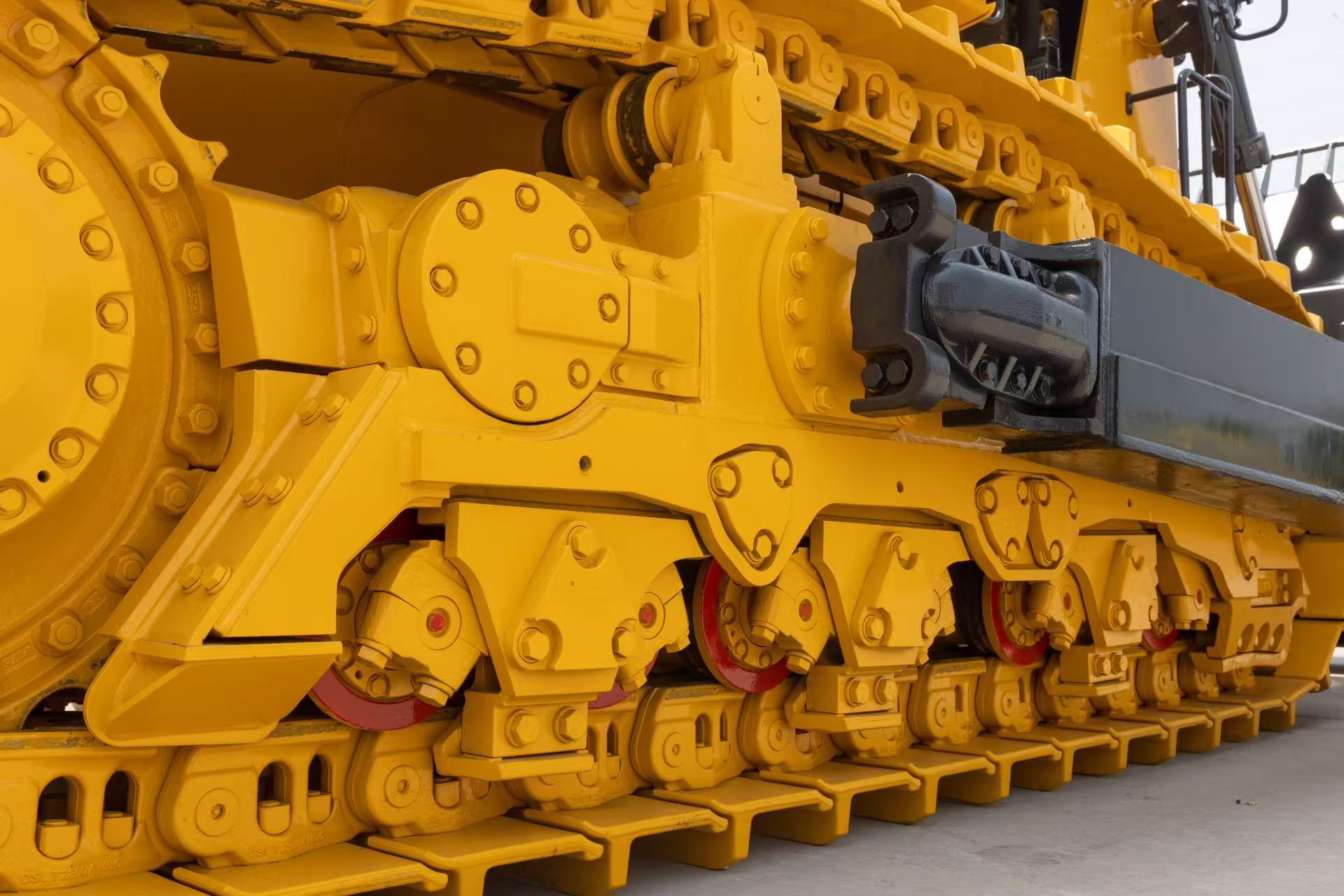
On a crawler machine, the undercarriage is the largest wear cost and the biggest determinant of machine life. In abrasive Nigerian conditions — dust, rock and long pushing — undercarriage consumption accelerates:
- track and component specification matched to ground abrasiveness;
- daily and weekly track tension and wear checks built into the maintenance routine;
- genuine undercarriage parts with a predictable supply route.
A buyer who negotiates hard on purchase price but not on undercarriage support is buying an expensive machine.
Working with the machines around it
A bulldozer is rarely used alone, and its value is decided by the fleet it supports:
- it strips and prepares ground for excavators that load material — our excavator selection guide covers how those machines are matched to the work;
- it supports haul fleets by keeping roads, benches and stockpiles usable;
- on mining projects it is one element of a balanced fleet, as set out in our mining fleet guide;
- it depends on graders and compaction equipment to keep the ground it prepares in a usable condition.
Plan it as part of the system, not as a standalone purchase.
Specify for Nigerian conditions
Dust, heat and abrasive ground shorten machine life in ways that are predictable — and avoidable:
- filtration and cooling suited to sustained dust and high ambient temperature;
- sealed, air-conditioned cab to keep operators effective through long shifts;
- guards and protection for hoses, wiring and the undercarriage;
- service access that lets daily checks and greasing happen within the shift;
- a running spares package shipped with the machine.
The full configuration logic is set out in our equipment conditions guide.
Moving and delivering a heavy machine
Crawler dozers are heavy, wide and slow — which makes delivery planning part of the purchase. Confirm the transport route, the trailer type and the offloading equipment before the machine ships, and check that your site entrance and turning areas can accept it. The planning points that apply to all heavy equipment are covered in our delivery guide.
Support and parts: decide before you order
For a dozer, the support question is almost entirely about undercarriage and ground-engaging components:
- the recommended undercarriage spares and wear items to ship with the machine;
- the parts route and realistic reorder time;
- operator and maintenance training, especially for track care;
- warranty terms in writing, including what voids them.
Checklist before you buy
- primary duty confirmed: pushing and preparing, not loading;
- material and ground conditions matched to the machine class;
- blade arrangement and ripping capability defined;
- undercarriage specification and spares package agreed;
- fleet integration checked (excavators, hauling, road maintenance);
- condition configuration confirmed in writing;
- transport and delivery plan confirmed;
- training and warranty terms agreed in writing.
Contact Dingsheng Tiangong for a project-specific bulldozer recommendation. Please provide your company name, project location, required equipment, quantity, working conditions, destination port and expected purchase date — together with your material type, volume to be moved, push distance and ground conditions. Our team will respond with a configuration proposal, not a generic price list.

 EN
EN
 AR
AR
 FR
FR
 DE
DE
 IT
IT
 PT
PT
 RO
RO
 RU
RU
 ES
ES
 TL
TL
 LV
LV
 LT
LT
 UK
UK
 VI
VI
 BN
BN
 LA
LA
 MY
MY
 KK
KK