Choosing a Road Roller Supplier for Road Contractors in Nigeria
On a road project, compaction is invisible when it is done properly — and expensive when it is not. A layer that is under-compacted does not fail immediately; it fails in the second rainy season, when the contractor has already left the site. That is why the roller, the least glamorous machine in the fleet, is often the one that decides whether a road project makes money. Choosing the right road roller supplier for road contractors in Nigeria therefore matters as much as choosing the roller itself.
This guide is written for road contractors in Nigeria who are buying or expanding compaction equipment: which roller suits which layer, how many units the work actually needs, what to specify for local conditions, and how to judge the supplier behind the machine.
Why compaction decides how long a road lasts
Compaction increases the load-bearing capacity of every layer beneath and within the pavement. When compaction is correct:
- the subgrade carries traffic without rutting;
- the base course distributes load and protects the pavement;
- the asphalt layer resists deformation and cracking.
When compaction is wrong, no amount of good material compensates. Rework costs more than the roller ever did — and on a job with a maintenance period or defect liability, poor compaction comes back as the contractor's problem.
Match the roller to the layer, not to the catalogue
Different layers need different roller types. The key is to match the compaction method to the material and layer:
-
Subgrade and base course (soil, gravel, crushed stone) — single-drum vibratory rollers are the standard for bulk earthworks and granular layers; compaction energy must suit the layer thickness and material, and the number of passes is set by the project specification.
-
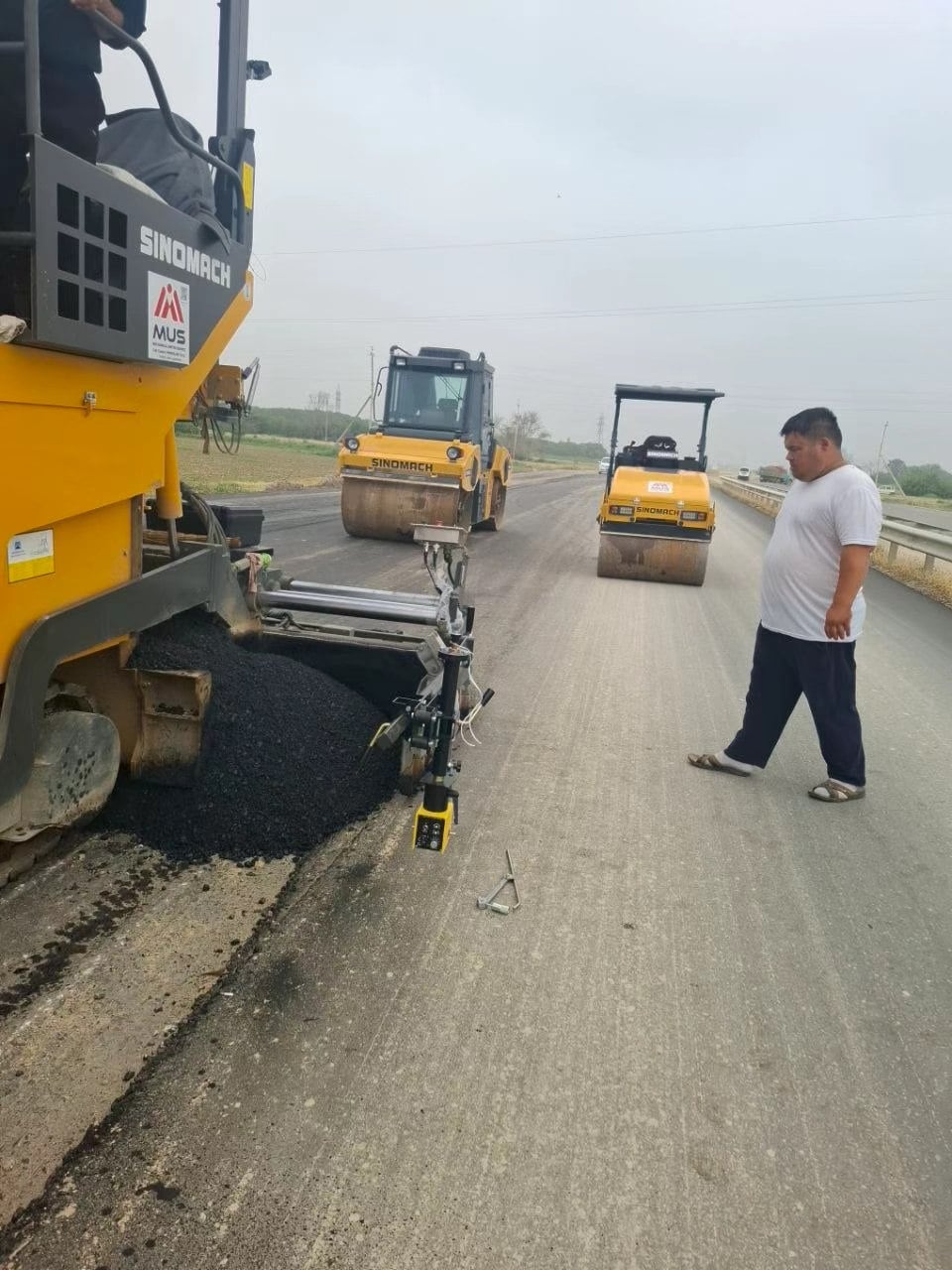
Asphalt layers — tandem (double-drum) rollers and pneumatic-tyre rollers provide the surface finish and density asphalt demands; the roller's water system and drum condition directly affect mat quality.
-
Confined areas, shoulders, trenches and repairs — smaller rollers keep quality in places a large machine cannot reach.
A fleet made only of one roller type will produce good work on some layers and compromise on others. Most road contractors end up with a small mix: bulk compaction for the subgrade and base, and asphalt-specific units for the pavement.
Size the roller to your daily output
Roller size is not a status decision; it is an output decision. Work backwards from the programme:
- the daily paving or layer output the project requires;
- the layer width and thickness;
- the number of passes the specification demands;
- the working hours available per day.
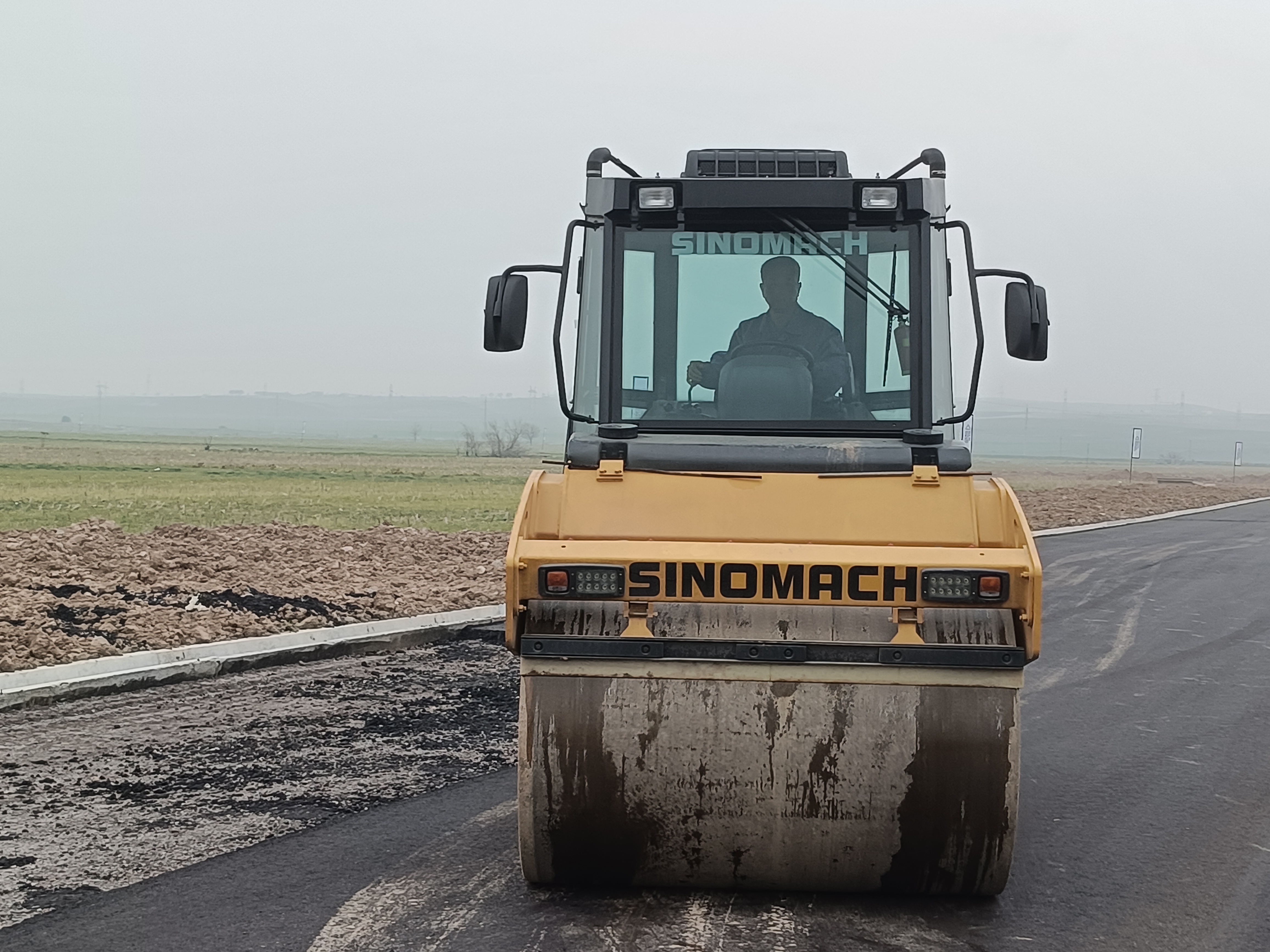
A roller that is too small forces extra passes and adds days; a roller that is too large can damage weak layers and cannot work in confined areas. Where paving runs continuously, compaction has to keep pace with the paver — which usually means more than one roller working as a train, not one machine working harder.
How many rollers does a road project need?
The honest answer depends on the specification and the programme, but the planning logic is consistent:
-
Earthworks phase — compaction units sized to the daily fill and layer output, plus standby capacity for breakdowns.
-
Paving phase — a compaction train (breakdown, intermediate and finish rolling for asphalt) matched to the paver's output.
-
Standby — on a critical programme, one spare roller is usually cheaper than one lost paving day.
Contractors who plan rollers as a system rather than as individual purchases avoid the most common Nigerian road project failure: a fleet that can move material faster than it can compact it. The same system thinking applies to the machines that prepare the layers; our motor grader guide covers the machine that shapes them, and material supply depends on the loaders described in our wheel loader guide.
Specify for Nigerian conditions
Road rollers in Nigeria work in conditions that wear machines out early. Specify for them:
-
High ambient temperature — cooling and hydraulic systems must cope with sustained heat, which is why the configuration points in our equipment conditions guide apply directly to rollers.
-
Dust — filtration and cleaning access matter on earthworks, where a roller works in the middle of a dust cloud all day.
-
Asphalt work — the water spray system, tank capacity and drum scrapers decide mat quality; blocked nozzles show up immediately as pick-up on the drum.
-
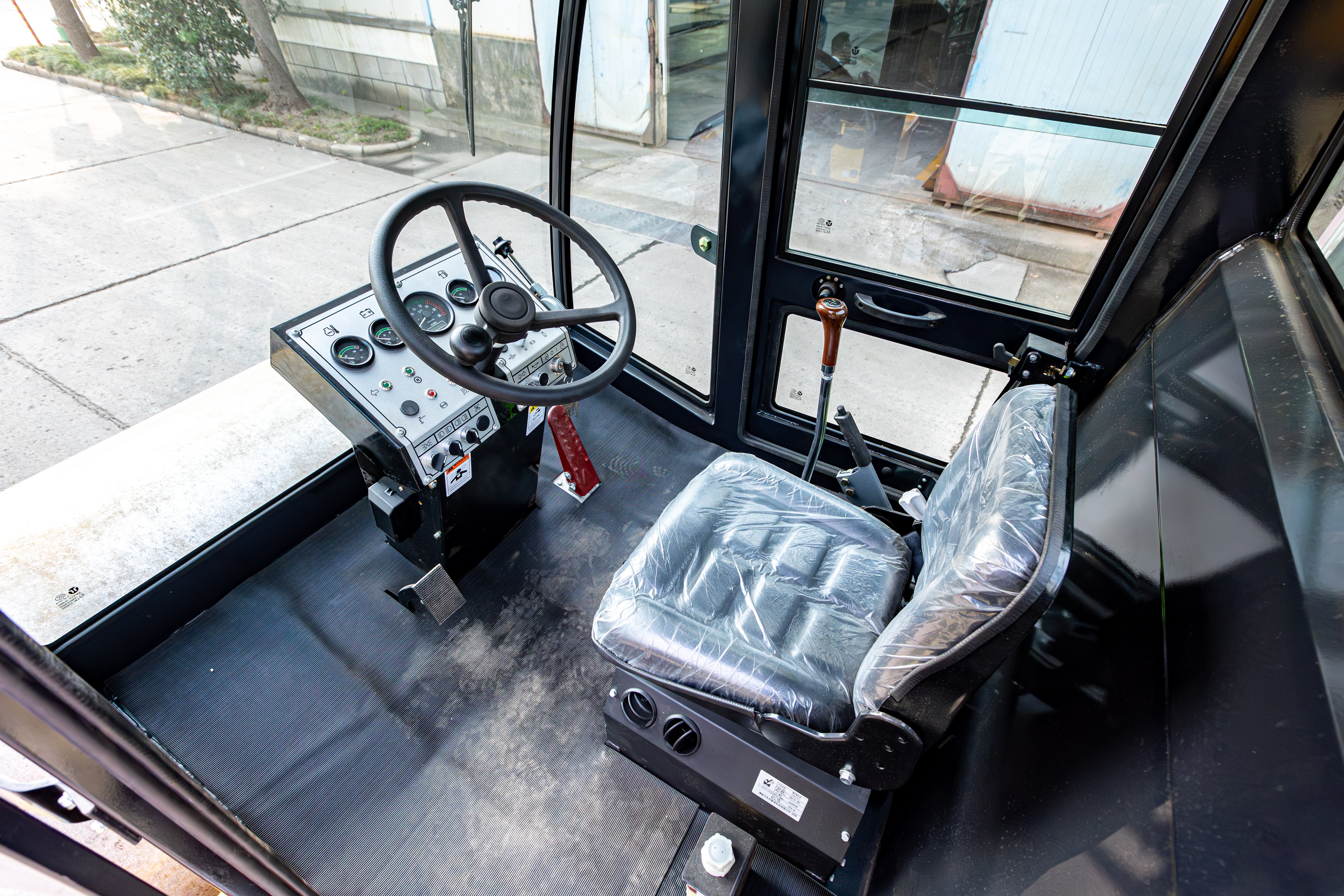
Operator environment — a sealed, air-conditioned cab keeps compaction quality stable across a long shift.
What to check before you buy
- drum type and vibration system suited to your main layer type;
- cooling and filtration suited to heat and dust;
- water system capacity and serviceability for asphalt duty;
- service access to filters, grease points and drum components;
- parts availability for the items that wear: drum components, water pumps, hoses and bearings;
- operator and maintenance training included;
- warranty terms in writing, including what voids them.
Road roller supplier for road contractors in Nigeria: how to judge one
The supplier decides what the roller costs you over five years, not on delivery day. Compare suppliers on:
-
Manufacturing and configuration capability — can the machine be specified for your layer types and conditions?
-
Compaction experience — does the supplier talk about layers, passes and train planning, or only about the machine?
-
Parts pipeline — how quickly can drum components and service parts reach your site?
-
Training and documentation — who teaches your operators to roll consistently?
-
Delivery experience — has the supplier delivered into your region before?
Ask for a configuration proposal that references your project's layers and output. If the answer is a catalogue, it is not a proposal.
What to prepare before you enquire
- company name and project location;
- project type: new construction, rehabilitation or maintenance;
- layer types and materials you will compact;
- daily output and working hours;
- machine types and quantities you plan to buy;
- destination port and expected purchase date;
- the compaction specification your project must meet, and any documentation requirement.
Contact Dingsheng Tiangong for a project-specific compaction equipment recommendation. Please provide your company name, project location, required equipment, quantity, working conditions, destination port and expected purchase date — together with your layer types, material and required daily output. Our team will respond with a configuration proposal, not a generic price list.

 EN
EN
 AR
AR
 FR
FR
 DE
DE
 IT
IT
 PT
PT
 RO
RO
 RU
RU
 ES
ES
 TL
TL
 LV
LV
 LT
LT
 UK
UK
 VI
VI
 BN
BN
 LA
LA
 MY
MY
 KK
KK