Construction Equipment Supplier in Ghana: A Buyer's Guide for Contractors and Mining Companies
Ghana's construction market has one thing in common with every other fast-growing market: the demand for equipment is easy to see, but the supply of supportable equipment is harder to secure. Roads, mining, quarrying and urban infrastructure all draw on the same machine families — and all of them suffer when the machine that arrives cannot be kept running.
This guide is written for contractors, mining companies and dealers in Ghana who are choosing equipment and the supplier behind it: what machines the work requires, how the sourcing routes differ, how delivery works through Ghana's ports, and what to settle before the order is placed. Choosing a construction equipment supplier in Ghana is ultimately a decision about support as much as about machines.
Matching machines to the work in Ghana
Ghanaian projects tend to fall into four equipment profiles. Identifying yours early makes the specification far simpler:
-
Roads and infrastructure — motor graders for subgrade and base, rollers for compaction, excavators for drainage and structures, loaders for materials handling. Grader selection is the single most consequential choice on most road jobs; see our motor grader guide.
-
Mining — excavators for loading, loaders for stockpile work, dozers for overburden, plus haul road maintenance. Fleet balancing matters more than any single machine; our mining fleet guide explains how to plan it.
-
Quarrying and aggregates — loaders and excavators feeding crushing and stockpiles, where duty cycle and material wear dictate the specification.
-
General earthworks and building — loaders and excavators as the core pair, with attachments matched to the material. Wheel loader selection logic is covered in our wheel loader guide.
Deciding which profile you are in prevents the most common error in this market: buying a machine that suits a different job because it was available.
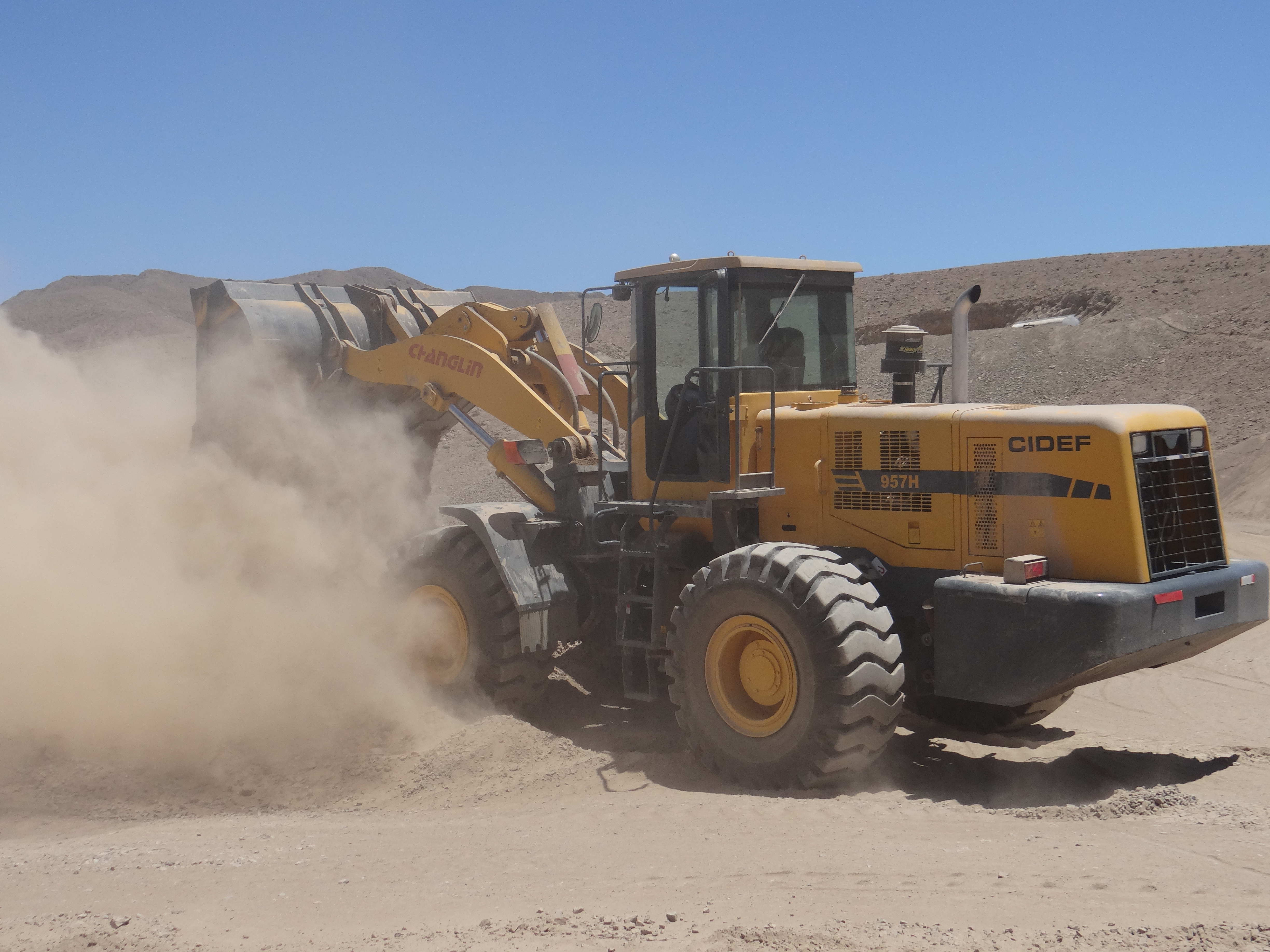
Choosing a construction equipment supplier in Ghana: import, dealer or factory direct
There are three realistic ways to bring equipment into Ghana, and they differ less on price than on support:
-
Direct import on your own account — lowest nominal cost, but you carry the full risk of specification errors, documents, clearing and parts sourcing.
-
Through a local dealer — convenient and often faster for parts, but you depend on that dealer's stock, pricing and technical depth.
-
Direct from the manufacturer — specification control, one responsible party for warranty and parts, and technical support that does not depend on a third party's goodwill.
The right choice depends on your internal capability. If you have no workshop team and no experience in importing, a dealer relationship is worth its margin. If you operate a fleet and plan to keep growing it, a direct manufacturer relationship usually pays for itself in specification accuracy and parts continuity.
Delivery into Ghana: Tema, Takoradi and inland corridors
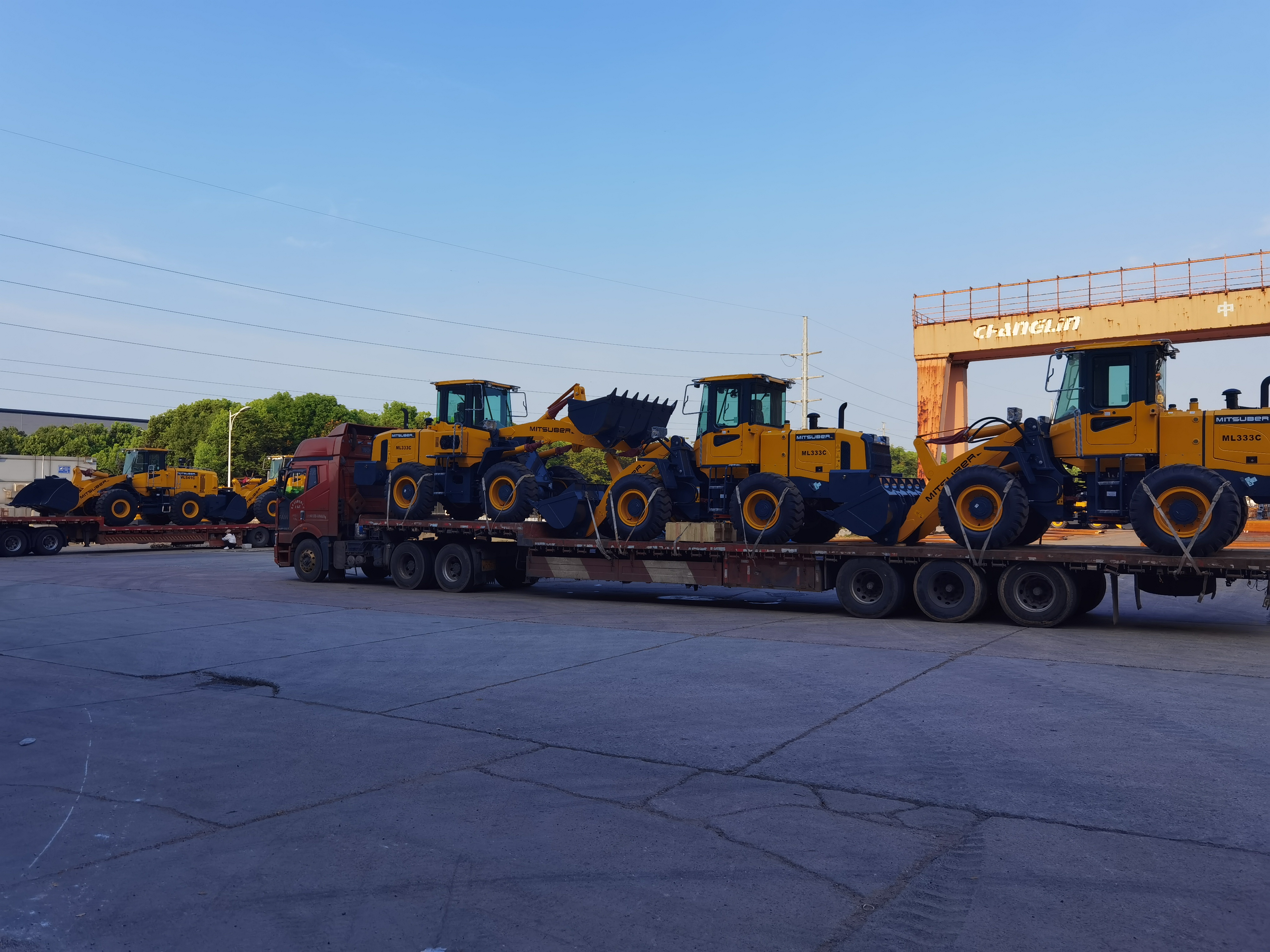
Ghana's main import gateways are the ports of Tema (serving Accra and the eastern corridor) and Takoradi (serving the western region and mining areas). Plan the delivery at the same time as the purchase:
-
Port choice — match the gateway to your site; Takoradi often shortens the inland leg for western mining and quarry operations.
-
Documents and clearing — confirm the document list and clearing arrangements with your bank and a licensed clearing agent before the machine ships; requirements apply to your specific consignment and change over time.
-
Inland transport — oversize machines may need low-bed trailers, permits or escorts; survey the route and the site entrance in advance.
-
Offloading and commissioning — confirm lifting capacity, workshop space and training before the machine arrives.
One practical advantage for Ghanaian buyers: machines can often be consolidated with shipments for neighbouring inland markets, which spreads the transport programme across a larger order.
Support: parts, service and training
In Ghana, as everywhere else in the region, the machine's real cost is decided after delivery. Before you commit, confirm:
- the recommended running spares to ship with the machine;
- how parts will reach your site, and how quickly they can be reordered;
- who provides operator and maintenance training;
- who you contact for technical questions, and through which channel;
- warranty terms in writing, including what voids them.
A supplier who cannot describe the parts route to your town has not really sold you the machine.

Specifying for Ghanaian conditions
Ghana combines heat, dust and a long rainy season, with coastal humidity in the south — conditions that shorten the life of machines specified for temperate climates. The specification questions are the same ones we set out for Nigerian conditions in our equipment configuration guide: filtration, cooling, sealing, undercarriage protection and a service routine built around the seasons.
What to prepare before you make an enquiry
Give suppliers enough to respond properly:
- company name and project location, plus the region you operate in;
- sector and work scope: roads, mining, quarry, general earthworks;
- materials and site conditions;
- target output and working hours;
- machine types and quantities, and whether this is a first unit or a fleet;
- destination port, inland destination and expected purchase date;
- any project specification, documentation or training requirement.
Contact Dingsheng Tiangong for a project-specific equipment recommendation. Please provide your company name, project location, required equipment, quantity, working conditions, destination port and expected purchase date — together with your sector, material type and inland destination. Our team will respond with a configuration and delivery proposal, not a generic price list.

 EN
EN
 AR
AR
 FR
FR
 DE
DE
 IT
IT
 PT
PT
 RO
RO
 RU
RU
 ES
ES
 TL
TL
 LV
LV
 LT
LT
 UK
UK
 VI
VI
 BN
BN
 LA
LA
 MY
MY
 KK
KK