Choosing the right excavator attachments in Nigeria can turn one excavator into a more productive machine for road construction, quarrying, demolition, trenching and land clearing.
However, an attachment should not be selected by price alone. The carrier weight, hydraulic flow, working pressure, ground conditions and daily production target must all match. This guide explains the main options and the questions Nigerian buyers should ask before requesting a quotation.
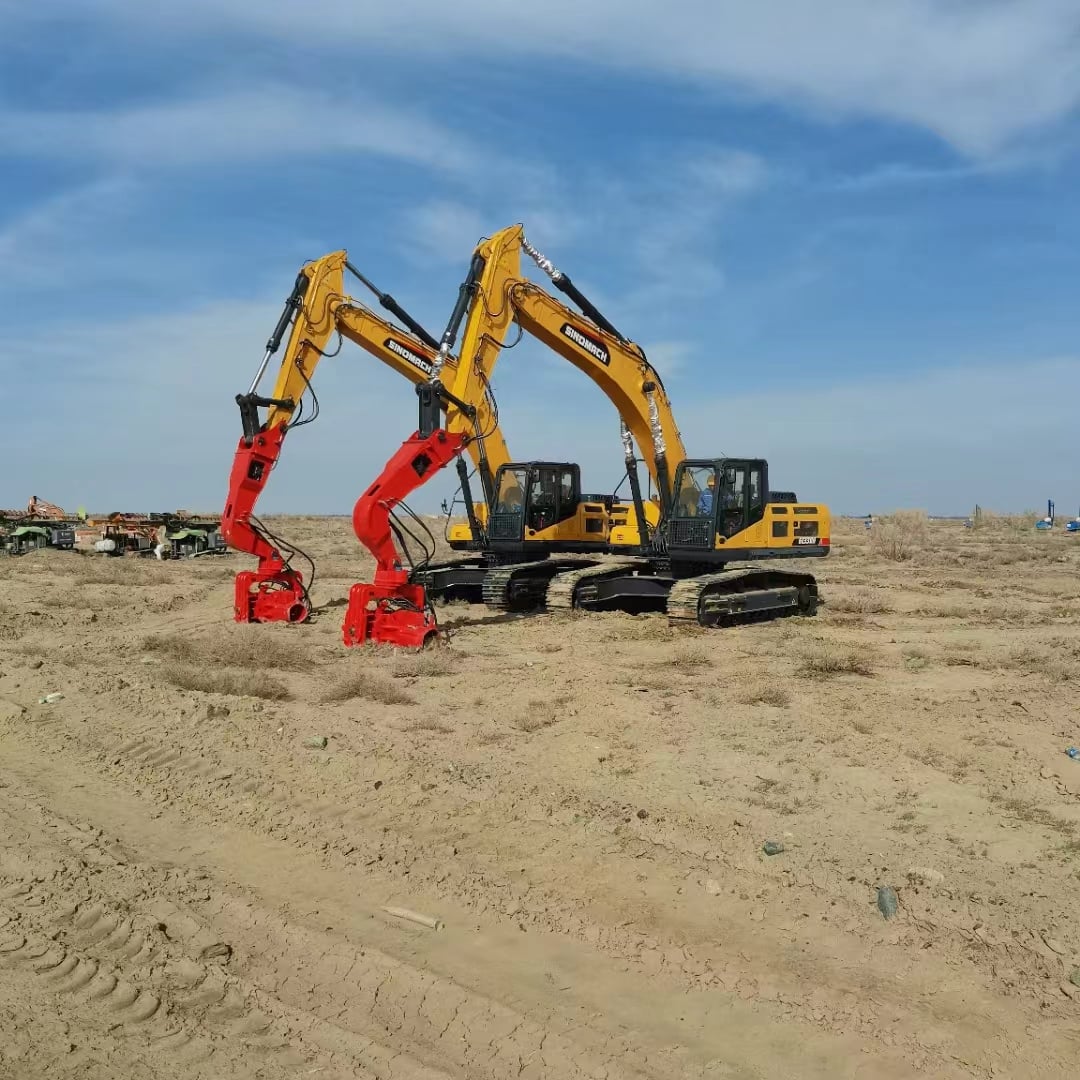
First, define the material and the task. Loose soil, wet clay, laterite, hard rock, reinforced concrete and scrap metal require different tools. Also consider the expected working hours, digging depth, loading height and whether the machine will move between several projects.
A general-purpose bucket may be enough for ordinary earthmoving. A quarry or difficult road-cutting project may require a heavy-duty rock bucket or hydraulic breaker. Demolition and material handling may need a grapple.
When one excavator performs several jobs, a quick coupler can reduce attachment-changing time.
The bucket is the most common attachment, but its width, capacity, steel structure and teeth should match the material.
A general-purpose excavator bucket is suitable for soil, sand and other relatively loose materials. A narrower heavy-duty bucket provides better penetration in compacted laterite or rocky ground. For quarry work, reinforced side plates, wear strips and replaceable teeth can help reduce premature wear.
Nigerian buyers should compare productivity instead of simply choosing the largest bucket. An oversized bucket can reduce digging force, slow the working cycle and place unnecessary stress on the boom and hydraulic system.
A hydraulic breaker for an excavator in Nigeria is useful for quarry rock, road rehabilitation, trenching through hard ground and concrete demolition. Correct matching is essential.
Before ordering, confirm:
Excavator operating weight
Auxiliary hydraulic flow and pressure
Breaker working weight and tool diameter
Hose, piping and mounting-bracket requirements
Availability of seals, chisels and other wear parts
The breaker should be large enough for the material while remaining within the carrier’s approved range. Incorrect hydraulic settings may reduce impact performance and increase heat or component wear.
Grapples help handle timber, scrap, stones and demolition waste. The right design depends on the material shape and the required rotation.
A rotating grapple offers greater positioning control, while a simpler fixed design may suit repetitive handling work. Check whether the excavator has the required auxiliary hydraulic circuit.
For demolition projects, buyers should also consider cab protection, working radius and site safety requirements.
A ripper can loosen compacted soil, weathered rock and difficult ground before excavation. It may be more economical than using a standard bucket in material that is too hard to dig efficiently but does not require continuous breaking.
Other project-specific options include:
Ditch-cleaning buckets
Augers
Hydraulic thumbs
Long-reach booms
Amphibious undercarriages
These solutions are not necessary for every buyer, but they can significantly improve productivity when matched to a clearly defined application.
Compatibility involves more than the pin size. Ask the supplier to verify:
Carrier operating weight and lifting capacity
Pin diameter, pin spacing and dipper-arm width
Required hydraulic flow and pressure
One-way or two-way auxiliary piping
Attachment weight and its effect on stability
Coupler and control-system compatibility
Providing the excavator model, serial information and clear photographs of the arm connection helps the supplier prepare the correct configuration.
When purchasing a new excavator for sale in Nigeria, it is often easier to specify the required attachment package together with the carrier before production and shipment.
Heat, dust, seasonal rain and remote job sites all influence equipment selection. Quarry and road projects may expose pins, bushings, hoses and cutting edges to heavy wear.
Buyers should request a recommended spare-parts package based on the expected working hours. Daily inspections should cover:
Hydraulic hose damage
Loose fasteners
Abnormal pin movement
Lubrication points
Worn teeth and cutting edges
Regular maintenance reduces downtime and protects both the attachment and the excavator.
Standard tools cover many applications, but OEM excavator attachments or customized solutions may be valuable when a project has unusual materials, dimensions or production requirements.
Dingsheng Tiangong can evaluate OEM and ODM requirements using SINOMACH manufacturing and engineering resources. Available solutions may include reinforced buckets, project-specific widths, matching brackets, hydraulic piping arrangements, special booms and complete machine-and-attachment packages.
The final configuration should always be based on verified carrier information and actual working conditions.
Before requesting a quotation, prepare the following information:
Project location in Nigeria
Material and application
Excavator brand, model and operating weight
Hydraulic flow and pressure, if applicable
Required attachment type and quantity
Expected daily working hours
Preferred spare and wear parts
Delivery destination and schedule
This information allows the supplier to recommend a safer and more productive combination and prepare a more accurate quotation.
The best attachment is the one that matches the carrier, material and production target.
Dingsheng Tiangong supplies excavators, special attachments and customized heavy construction equipment solutions for roadwork, quarrying, demolition and land-clearing projects.
Contact Dingsheng Tiangong for a project-specific recommendation and quotation for excavator attachments in Nigeria, including OEM and ODM options for special working conditions.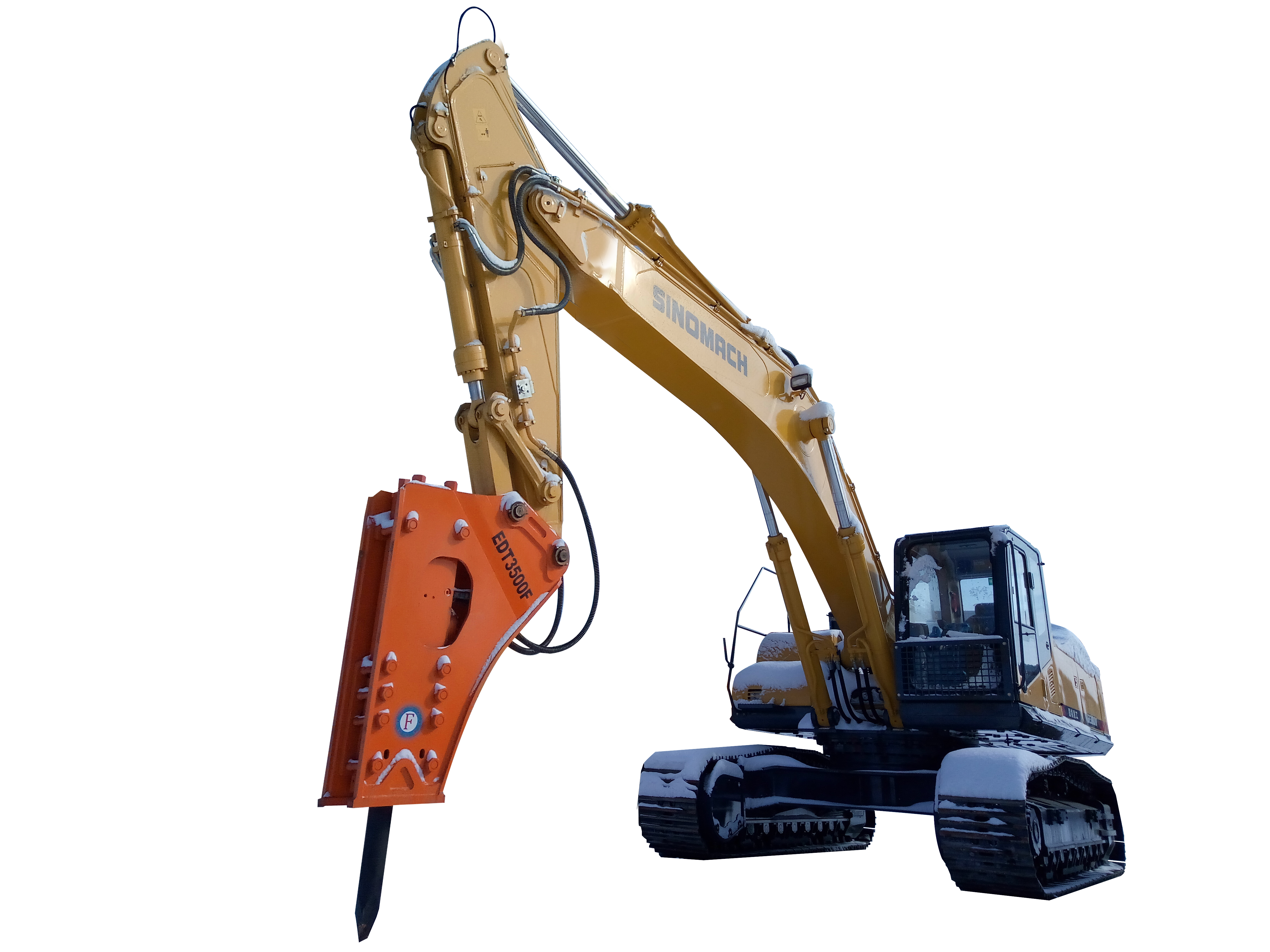
 EN
EN
 AR
AR
 FR
FR
 DE
DE
 IT
IT
 PT
PT
 RO
RO
 RU
RU
 ES
ES
 TL
TL
 LV
LV
 LT
LT
 UK
UK
 VI
VI
 BN
BN
 LA
LA
 MY
MY
 KK
KK