Specifying Construction Equipment for Hot and Dusty Conditions in Nigeria
Two contractors can buy the same machine model and get very different results in Nigeria. One machine runs for years with predictable service; the other spends the dry season overheating and the wet season stuck. The difference is rarely the brand — it is whether the construction equipment for hot and dusty conditions in Nigeria has been specified for the environment it actually works in.
This guide covers the four conditions that decide equipment performance in Nigeria — dust, heat, rain and mud — and how to write them into your specification so the machine you buy is the machine you need.
Why specifying construction equipment for hot and dusty conditions in Nigeria matters
Operating conditions do not just affect comfort; they decide component life:
-
Dust clogs filtration, insulates cooling systems and accelerates wear on every moving part.
-
Heat stresses engines, hydraulics and tyres, and reduces operator productivity.
-
Rain cuts working days, damages haul roads and slows every cycle.
-
Mud and soft ground immobilise machines that were specified for harder surfaces.
A machine that is not configured for these four is not cheaper — it just delays the cost until the parts counter and the workshop.
Dust: the silent cost on every machine
Dust is the most underestimated operating factor in Nigerian construction and quarrying. It enters through every unsealed gap and works like a grinding paste:
-
Air filtration — higher-capacity or two-stage filtration protects the engine where dust load is heavy.
-
Cooling system — dust blocks radiator and cooler fins quickly, and overheating follows; regular cleaning is part of the duty cycle, not an optional extra.
-
Seals and greasing — more frequent greasing and attention to seals keep abrasive material out of pins, bushes and bearings.
-
Operator environment — a sealed, pressurised cab with proper filtration keeps the operator productive and reduces the temptation to skip shifts.
Where machines work in aggregate or stockpile duty — as described in our quarry fleet guide and the wheel loader selection guide — dust protection should be specified from the start, not added after the first overheating event.
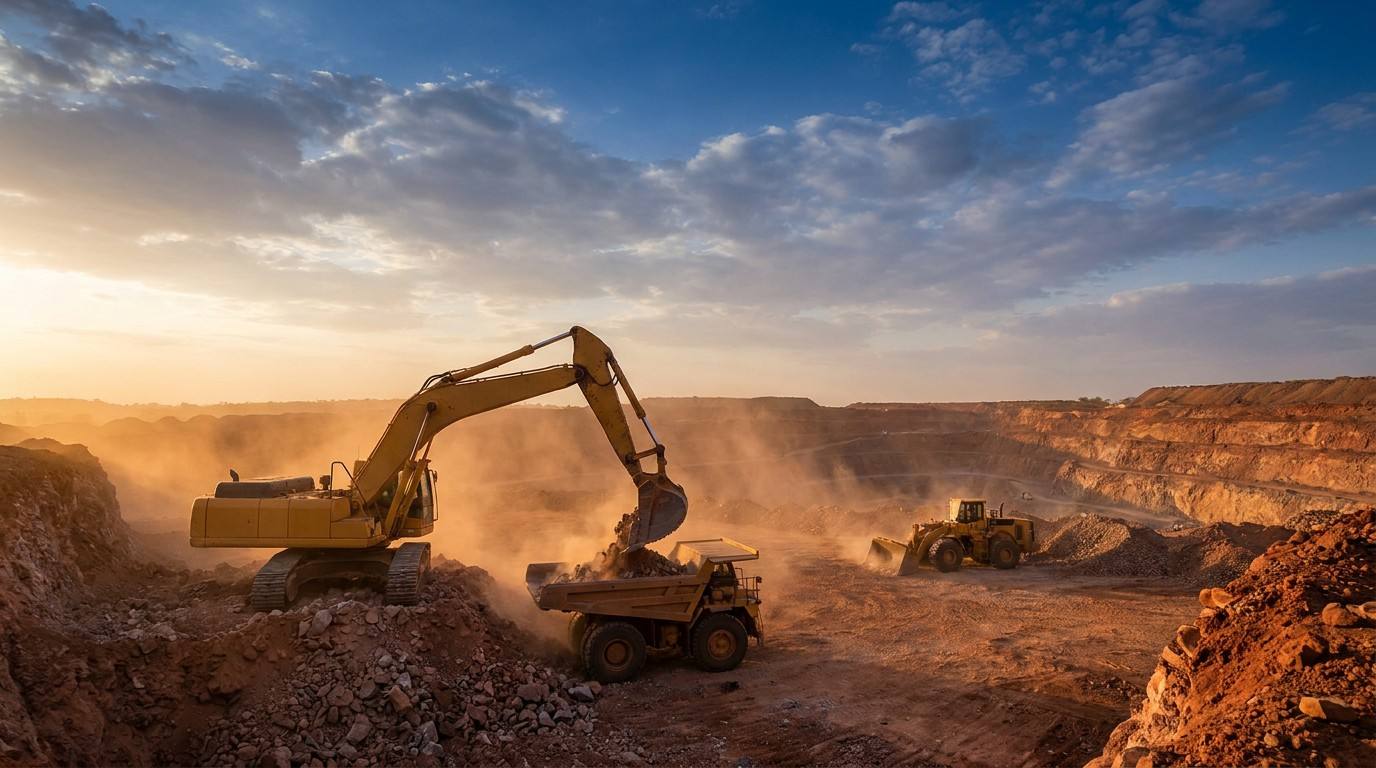
Heat: cooling, hydraulics and operator productivity
High ambient temperatures push every system harder. Specify for it:
-
Cooling capacity — the cooling package must be suited to sustained high-temperature operation, with clean air paths and serviceable components.
-
Hydraulics — hydraulic oil specification and cooling affect response, seal life and pump durability under continuous load.
-
Tyres — heat builds in tyres on long haul cycles; correct load ratings and tyre selection reduce failure risk.
-
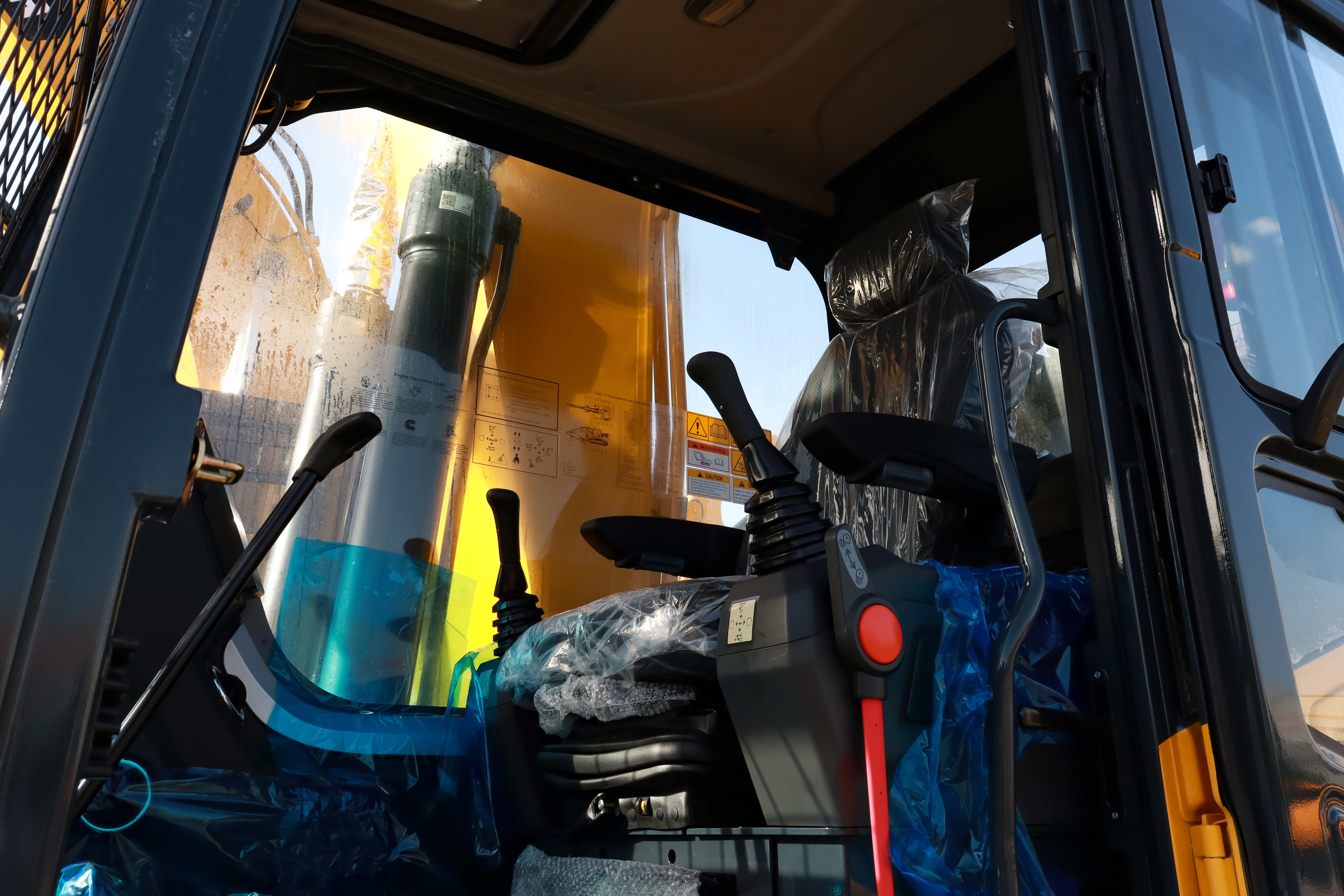
Cab comfort — an efficient air-conditioned cab is a productivity item: operators work better and longer when the cab is a refuge from the heat.
Rainy season: mud, traction and site access
The rainy season removes working days, and it exposes every weakness in site planning:
-
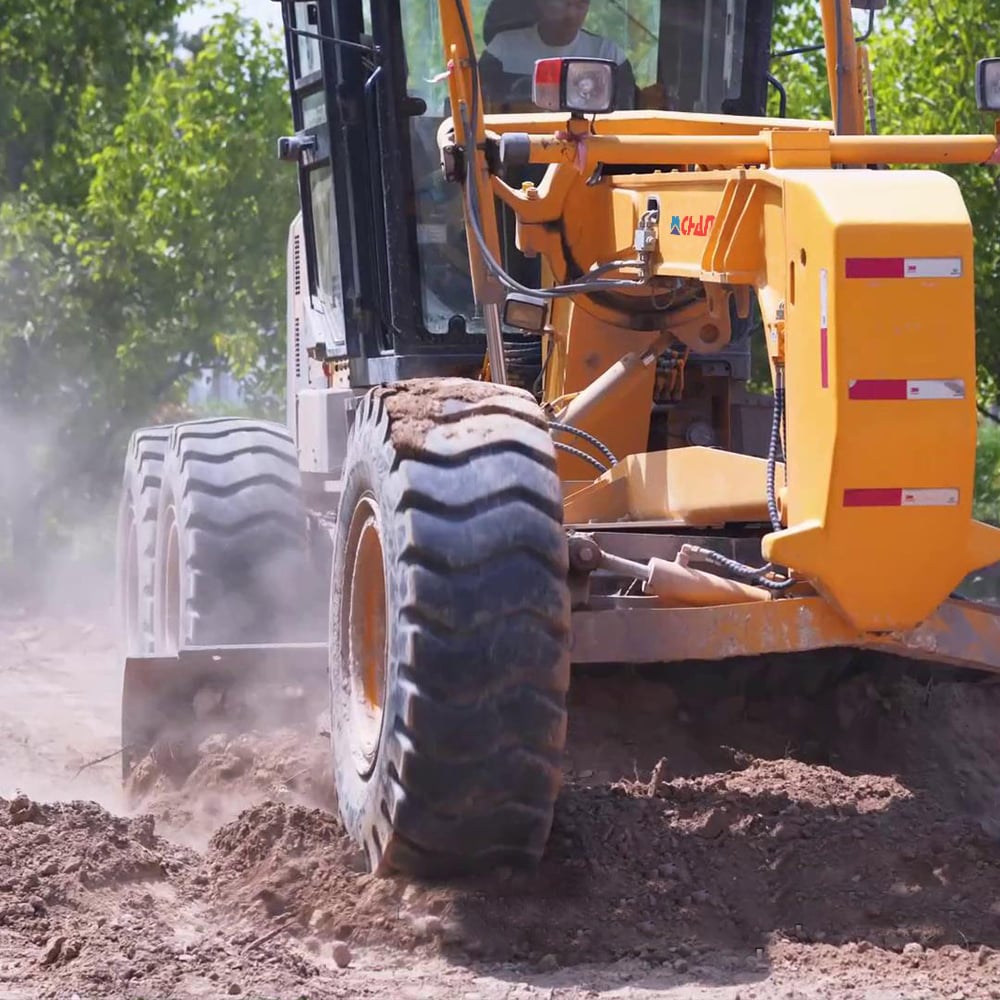
Haul roads fail first — a grader maintaining the haul road through the wet season keeps trucks moving and protects tyres and suspension; see our motor grader guide.
-
Drainage is equipment — side drains, camber and turning areas determine whether the site drains or becomes a mud field.
-
Traction and tyres — tyre pattern and machine weight distribution decide whether a machine keeps working or parks itself.
-
Scheduling — plan earthworks, hauling and maintenance around the seasons instead of fighting them.
Soft ground and wet pits
For pits that flood, riverside work and dredging duty, the machine choice changes rather than the configuration alone. Where ground will not support a standard machine, amphibious excavators change what is physically possible. For softer ground that still carries weight, tyre choice, weight distribution and low-ground-pressure options are the levers.
What to write into your specification
Use this as a checklist when you request a quotation:
- air filtration package suited to heavy dust;
- cooling system rated for sustained high ambient temperature;
- sealed, air-conditioned cab with filtration;
- guards and protection for undercarriage, hoses and wiring;
- greasing points accessible for the shorter service intervals dusty conditions require;
- tyre specification matched to haul distances and ground conditions;
- corrosion protection for humid and wet-season exposure;
- a running service kit shipped with the machine (filters, oils, wear items);
- operator and maintenance training for local conditions.
Ask the supplier to confirm each item in writing in the offer. A specification list that only mentions engine power and bucket size has not addressed Nigerian conditions at all.
Plan maintenance around the seasons, not against them
The two seasonal service points that pay for themselves:
-
Before the rains — full filtration and cooling service, sealing checks, tyre and brake inspection, and haul road preparation.
-
Before the dry season — cooling system cleaning, hydraulic checks, greasing schedule review and wear-part replacement.
Machines that enter the rains with a clean cooling system and fresh filters simply have fewer unplanned stops than the ones that enter them with last season's dust still inside.
Turning conditions into a fleet plan
Conditions should shape the whole fleet, not just the first machine. Apply the same logic to every purchase: define the work, define the environment, then specify the machines together so they can support each other. That is exactly how a fleet is planned in our quarry configuration guide.
Contact Dingsheng Tiangong for a project-specific configuration recommendation. Please provide your company name, project location, required equipment, quantity, working conditions, destination port and expected purchase date — together with your site material type, dust and temperature exposure, seasonal working pattern and ground conditions. Our team will respond with a configuration proposal, not a generic price list.

 EN
EN
 AR
AR
 FR
FR
 DE
DE
 IT
IT
 PT
PT
 RO
RO
 RU
RU
 ES
ES
 TL
TL
 LV
LV
 LT
LT
 UK
UK
 VI
VI
 BN
BN
 LA
LA
 MY
MY
 KK
KK