Choosing the right wheel loader in Nigeria is not simply a matter of buying the machine with the largest bucket or the highest engine power. A loader must match the material, production target, ground conditions, truck size and maintenance resources of the job site. This is especially important for Nigerian contractors and quarry operators working in heat, dust, seasonal rain and demanding daily production cycles.
A correctly configured wheel loader can shorten loading cycles, control fuel consumption and reduce unplanned downtime. A poorly matched machine may look attractive at the quotation stage but become expensive once tyre wear, slow truck loading, overheating or parts delays begin to affect the project.
This guide explains the main factors to check before purchasing a wheel loader for construction, quarrying, roadwork or material handling in Nigeria.
The first question should be: what work will the loader perform most often?
A wheel loader used to move loose sand on a building site has different requirements from a machine loading blasted rock in a quarry. Before comparing models, define:
For general construction work, the loader may handle sand, laterite, soil, gravel or demolition material. Quarry operations usually involve heavier and more abrasive materials, so they require stronger buckets, suitable tyres and additional protection for critical components.
When buyers search for a wheel loader for sale in Nigeria, they often compare prices before deciding which machine class they need. This can lead to either undersizing or unnecessary overspending.
A smaller loader may offer easier manoeuvring and lower initial cost, making it suitable for yards, farms, block plants and compact construction sites. Medium and heavy-duty loaders are more appropriate for high-volume earthmoving, aggregate production and quarry loading.
The correct rated load depends on more than the heaviest object on site. Buyers should consider bucket payload, cycles per hour, truck capacity, stability, turning space, dump height and reach.
An undersized loader may need too many passes to fill each truck. An oversized loader may consume more fuel, require more space and increase tyre or transport costs without delivering a proportional productivity gain.
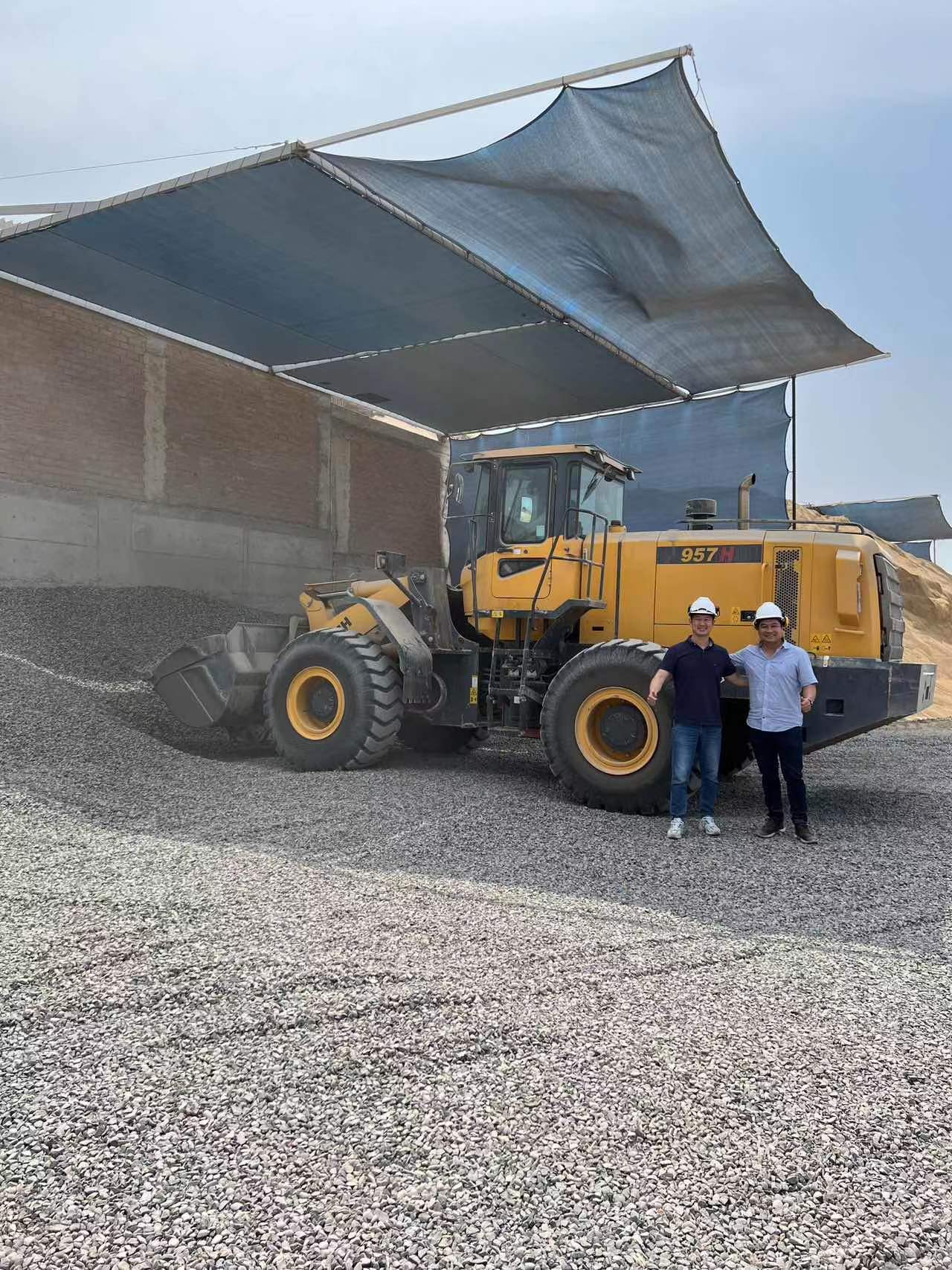
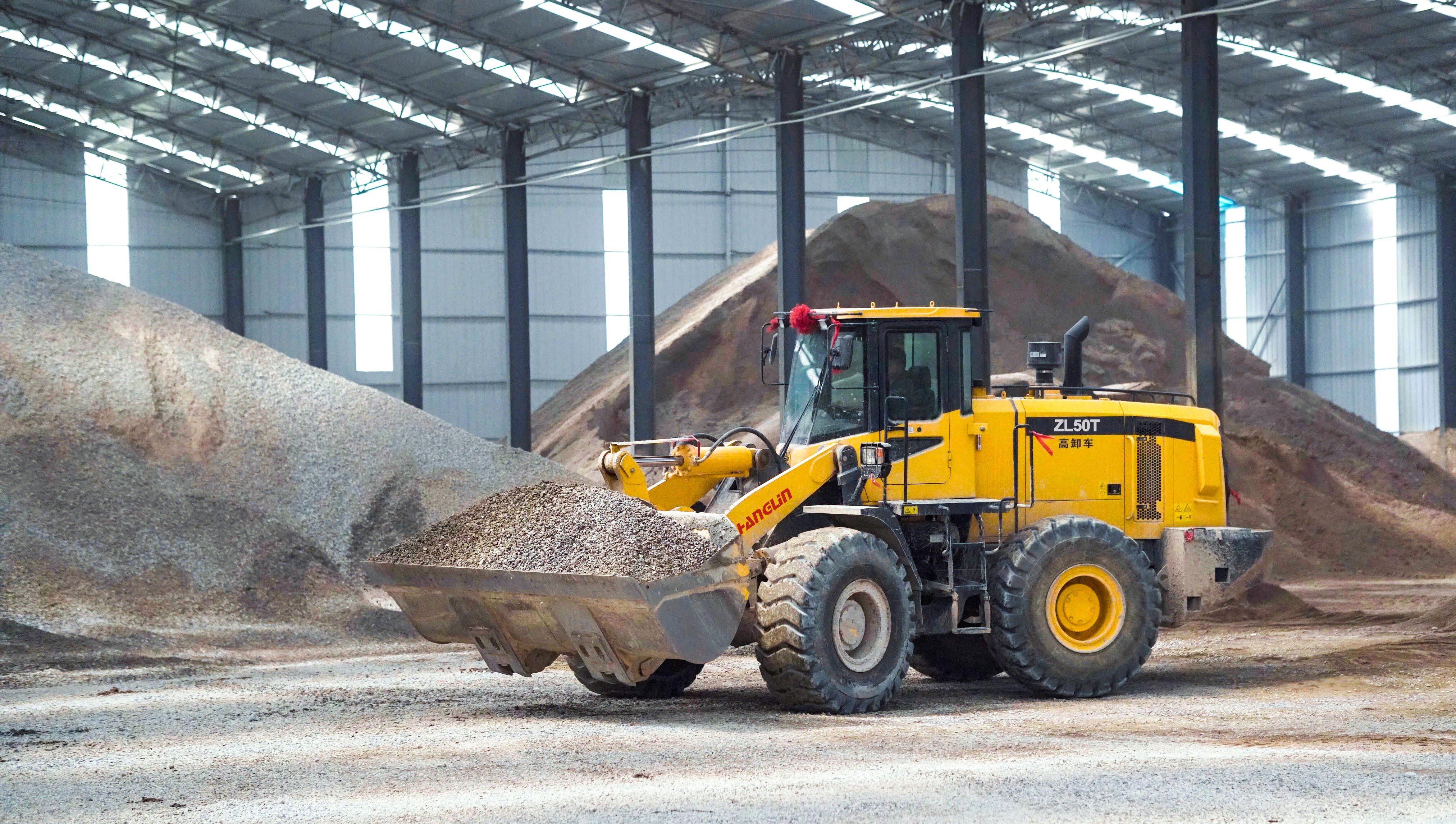
For example, the Dingsheng Tiangong ZL50T wheel loader has a 5,000 kg rated load, a standard 3.1 m³ bucket and optional bucket configurations. Suitability should still be confirmed against the material density and production target. Buyers can also review our wheel loader range.
Bucket capacity is one of the most misunderstood specifications in wheel loader selection. A large bucket does not always mean a larger safe payload. One cubic metre of dry agricultural material weighs far less than one cubic metre of wet soil or quarry rock.
If a bucket is too large for dense material, the loader may become unstable or place excessive stress on the frame, hydraulics, axles and tyres. Typical options include general-purpose buckets, light-material buckets, heavy-duty rock buckets, high-dump buckets and side-dump buckets.
Ask the supplier to calculate expected payload using the density of the actual material. Nigerian quarry buyers should also discuss cutting edges, wear plates, bucket teeth and abrasion protection.
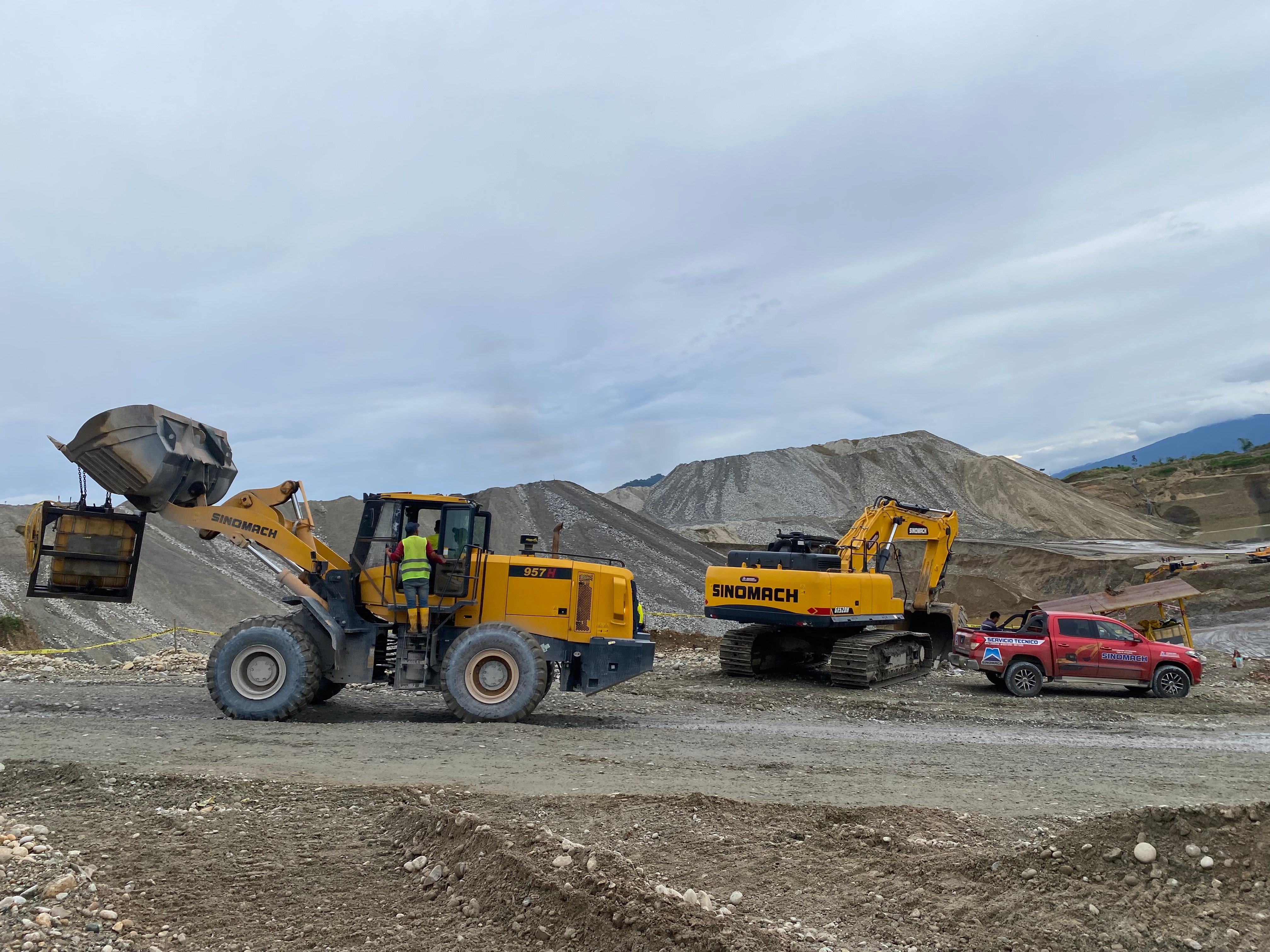
A wheel loader for quarry or construction work in Nigeria may operate on sharp rock, loose soil, muddy access roads or uneven ground. Site conditions should influence the tyre, axle, cooling and protection package.
Tyres are a major operating cost. Rock-service tyres resist cuts and abrasion, traction-oriented tyres improve performance on soft or muddy ground, and general-purpose tyres may suit mixed construction sites. Tyre pressure, haul distance and operator behaviour also affect service life.
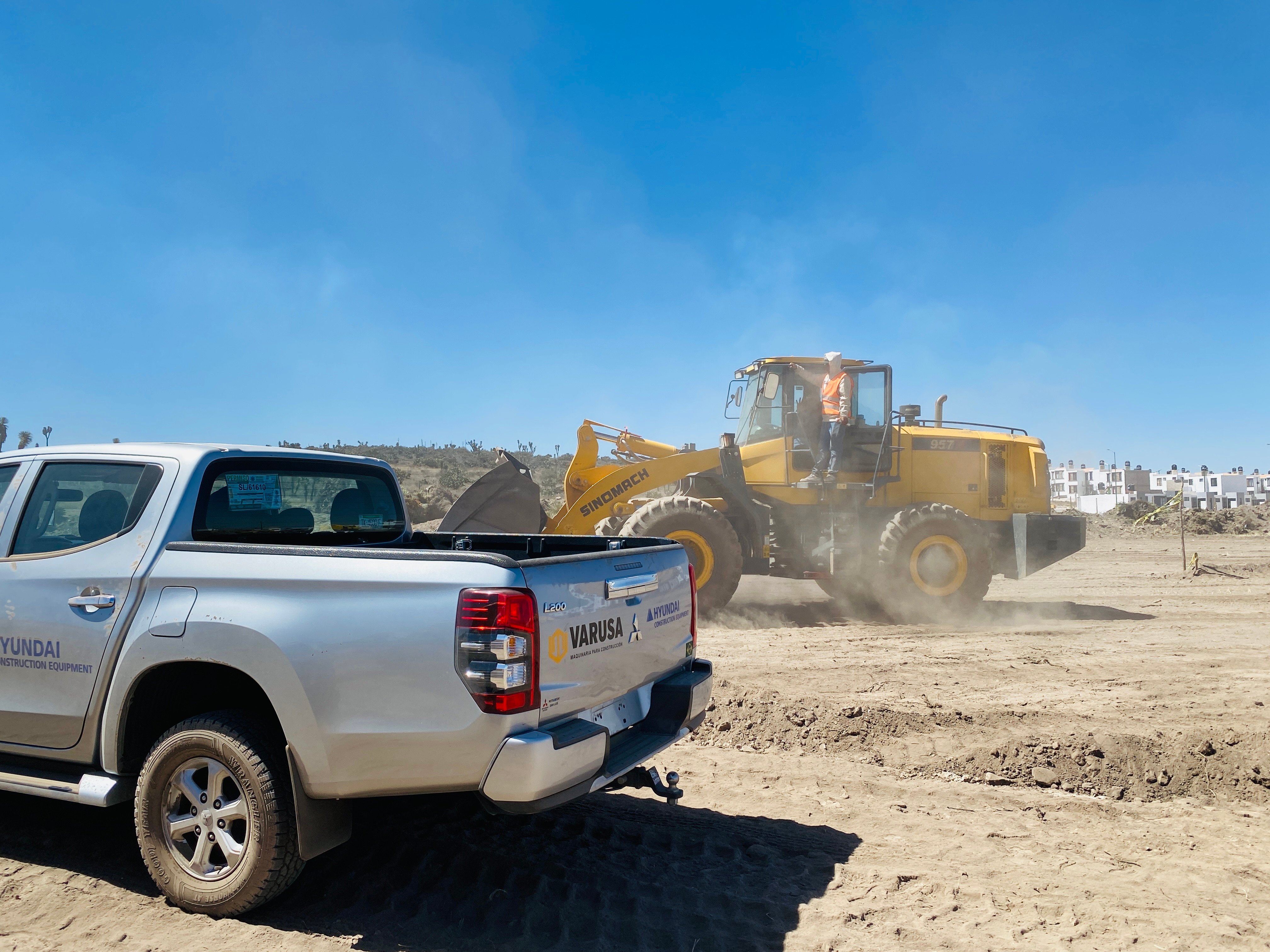
High ambient temperatures, dust and long operating hours place pressure on engine and hydraulic cooling systems. Buyers should examine radiator capacity, airflow, cleaning access and any enhanced cooling arrangement. A cooling system that is easy to inspect is especially valuable on dusty quarry sites.
Seasonal rain can change a firm haul road into a soft or slippery surface. Adequate ground clearance, suitable tyres, effective braking and stable articulation help the machine continue working safely.
Fuel is a major part of the lifetime cost of construction equipment in Nigeria, but a single fuel-consumption number rarely tells the full story. Actual consumption depends on material density, bucket fill, travel distance, idling, operator technique, tyre condition, gradient and maintenance.
Instead of asking only how many litres per hour a loader uses, ask how much material it can move per litre or per shift. A loader that uses slightly more fuel per hour may still have a lower cost per tonne if it fills trucks with fewer passes and completes more cycles.
The loader must discharge safely into the trucks, hoppers or crushers used on site. Before ordering, provide the supplier with truck side height, body width, hopper dimensions, required dump clearance, dump reach and preferred passes per truck.
If dump height is insufficient, material may strike the truck body or fail to clear the hopper. Correct matching reduces waiting time for both the loader and haul fleet.
The purchase price is only one part of wheel loader ownership. Downtime during a busy quarry or road project can cost more than a small difference in the original quotation.
Confirm preventive-maintenance intervals, filters and consumables, commonly used spare parts, the parts-ordering process, service manuals, remote technical support, training and warranty procedures. It is sensible to order an initial spare-parts package with the machine.
Daily access also matters. Accessible grease points, filters, inspection areas and radiator cleaning can reduce maintenance time and encourage routine checks.
Operator comfort affects productivity during long shifts. Excessive heat, vibration, noise or poor visibility can cause fatigue. Useful features may include an air-conditioned cab, adjustable seat, clear visibility, rear-view camera, reversing alarm, work lights and ROPS/FOPS protection where required.
Training remains essential. Operators should understand safe travel with a loaded bucket, correct loading technique, daily inspections and site communication rules.
A low quotation can become expensive if the machine is poorly matched or difficult to maintain. A practical comparison should include purchase price, shipping and import costs, fuel use, tyre life, maintenance, spare parts, downtime risk, hourly productivity and expected service life.
Request a clear offer stating the model, engine, rated load, bucket, tyres, cab configuration, tools, documents, spare parts, warranty and delivery terms.
A standard machine may be sufficient for common construction work. OEM or ODM configuration can be valuable when a project involves unusual materials, extreme dust, high discharge points, special attachments or specific documentation.
Possible options include rock buckets, alternative bucket capacities, wear protection, enhanced cooling, high-dump linkage, forks, special tyres, safety equipment, custom labels and project-specific spare-parts packages.
Dingsheng Tiangong is backed by SINOMACH manufacturing and engineering resources and supports OEM, ODM and special working-condition solutions. The objective is to configure the machine around the application.
There is no single best size. The correct machine depends on material density, required output, truck capacity, loading height and haul distance.
No. The bucket must match material density and rated payload. An oversized bucket filled with heavy rock can reduce stability and increase stress on the machine.
The order should include the agreed configuration, manuals, parts catalogue, warranty documents, standard tools and an initial spare-parts package. Training and technical support should also be confirmed.
Yes. Customization can cover the bucket, tyres, cooling, wear protection, attachments, cab options, labels and spare parts.
The best wheel loader in Nigeria is the one configured for your material, trucks, job-site conditions and operating target.
Send Dingsheng Tiangong your application, material type, required output, truck dimensions and site conditions. Our team can coordinate machine selection, attachments, technical configuration, production, quality control and international delivery support.
Contact us for a project-specific wheel loader recommendation and quotation for your construction, quarry or material-handling operation in Nigeria.
 EN
EN
 AR
AR
 FR
FR
 DE
DE
 IT
IT
 PT
PT
 RO
RO
 RU
RU
 ES
ES
 TL
TL
 LV
LV
 LT
LT
 UK
UK
 VI
VI
 BN
BN
 LA
LA
 MY
MY
 KK
KK