Running a quarry in Nigeria is a materials business: the margin lives in how many tonnes you move per hour, per shift and per litre of fuel. Whether you produce granite chippings for road contractors, laterite for earthworks or sand and gravel for concrete, your loading and hauling equipment decides your output — and your downtime decides your cost. If you are evaluating a wheel loader for quarry operations in Nigeria — or planning the whole loading and hauling fleet around it — this guide is your starting point.
This guide explains how to configure a quarry fleet around the two machines that do most of the work — the wheel loader and the hydraulic excavator — and how to add support equipment, protection packages and attachments that keep a Nigerian quarry running through heat, dust and the rainy season.
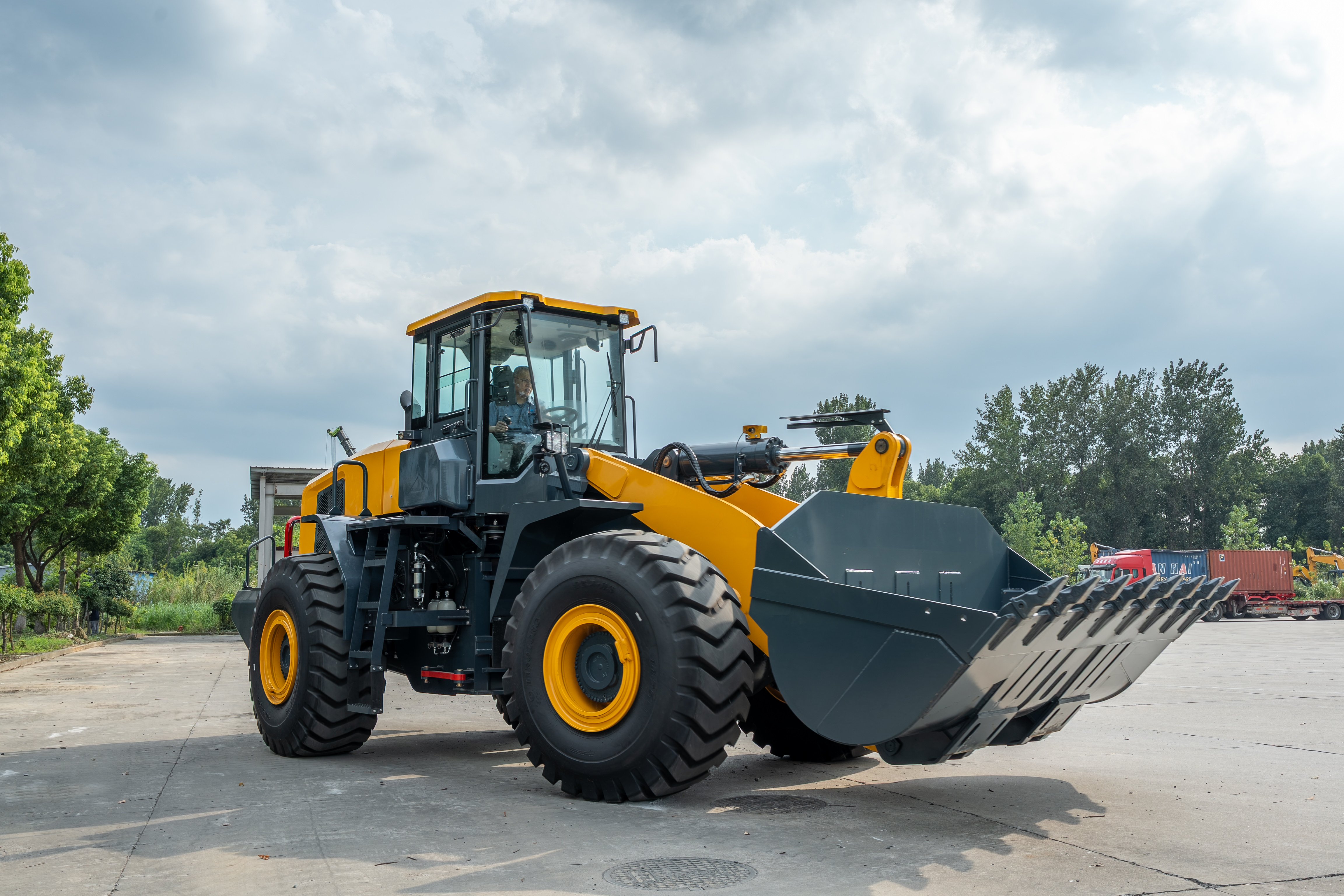
In most Nigerian quarry layouts, the wheel loader is the busiest machine on site. It feeds the crusher, loads tipper trucks from stockpiles, cleans the yard and re-handles material after blasting and crushing. Because it carries out so many jobs, loader reliability is the single biggest factor in a quarry's daily output.
When selecting a wheel loader for quarry operations in Nigeria, buyers should focus on four things rather than sticker price:
For the detailed model-by-model selection process, see our separate guide: How to Choose the Right Wheel Loader in Nigeria
A hydraulic excavator works where the wheel loader cannot: at the blasted rock face, in the pit bottom and in tight corners of the site. Its jobs include:
An excavator with a heavy-duty rock bucket or a hydraulic grapple is often the better choice at the face, because it can reach into the muck pile without repositioning the crusher feed. Where the same excavator must also load trucks, longer tracks and a properly matched counterweight improve stability on uneven ground.
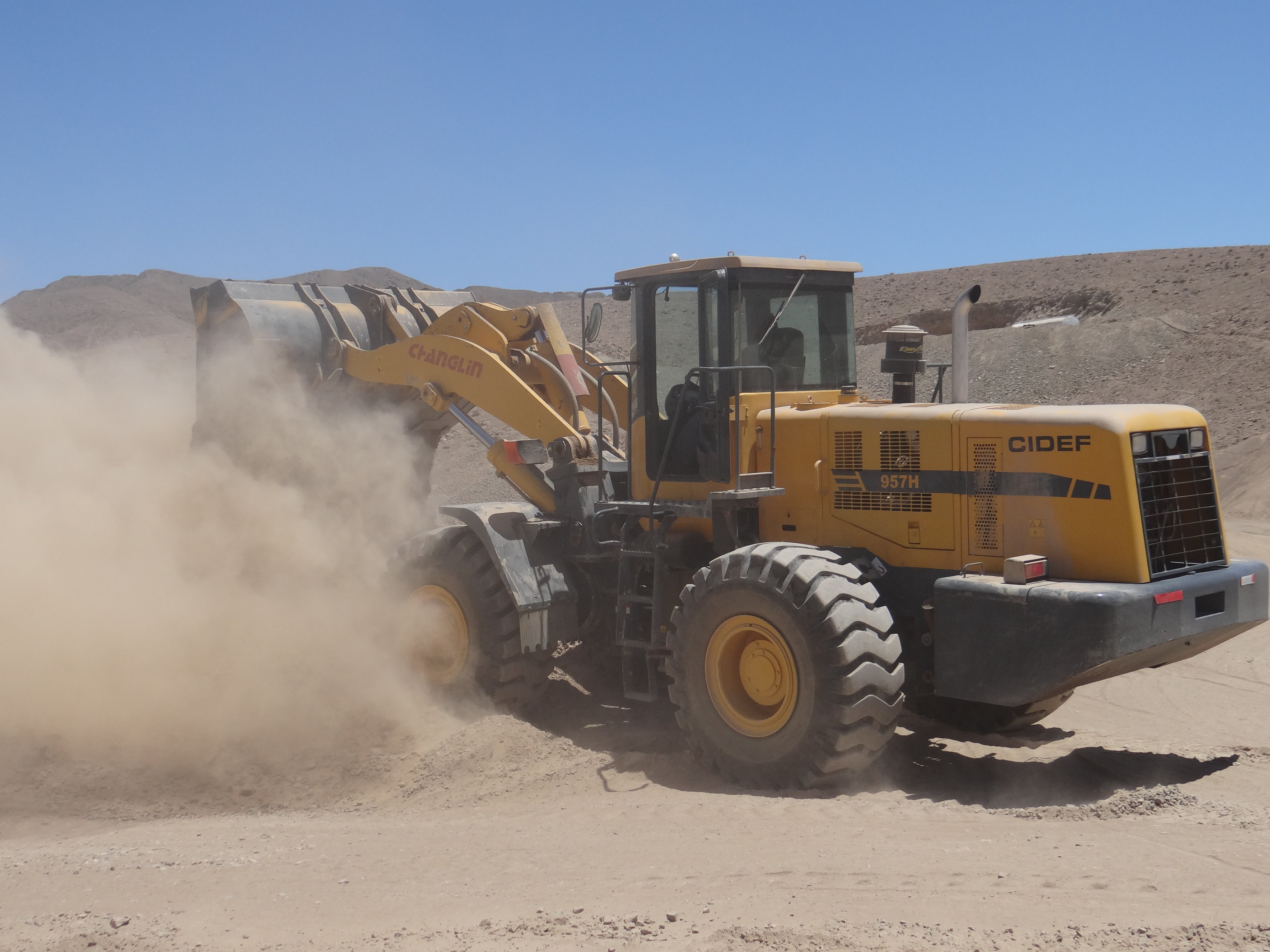
The fastest way to overspend is to start from a brand or a model instead of from the job. Before requesting quotations, a quarry manager should define:
With these numbers, a supplier can recommend a machine combination — for example one excavator working the face and one wheel loader feeding the crusher and loading trucks — rather than a single oversized machine that sits half-idle. If you are still planning your technical data, ask the supplier for a standard equipment data sheet to fill in; it also makes comparing quotations far easier.
Two more machines frequently earn their keep on Nigerian quarry sites:
Neither is needed on every site, but both should be discussed when you plan a full quarry fleet or an expansion phase.
Equipment built for temperate climates struggles in a Nigerian quarry. Confirm with your supplier that the machines are configured for:
These are configuration questions, not accessories — getting them wrong in the quotation means paying for them later in downtime.
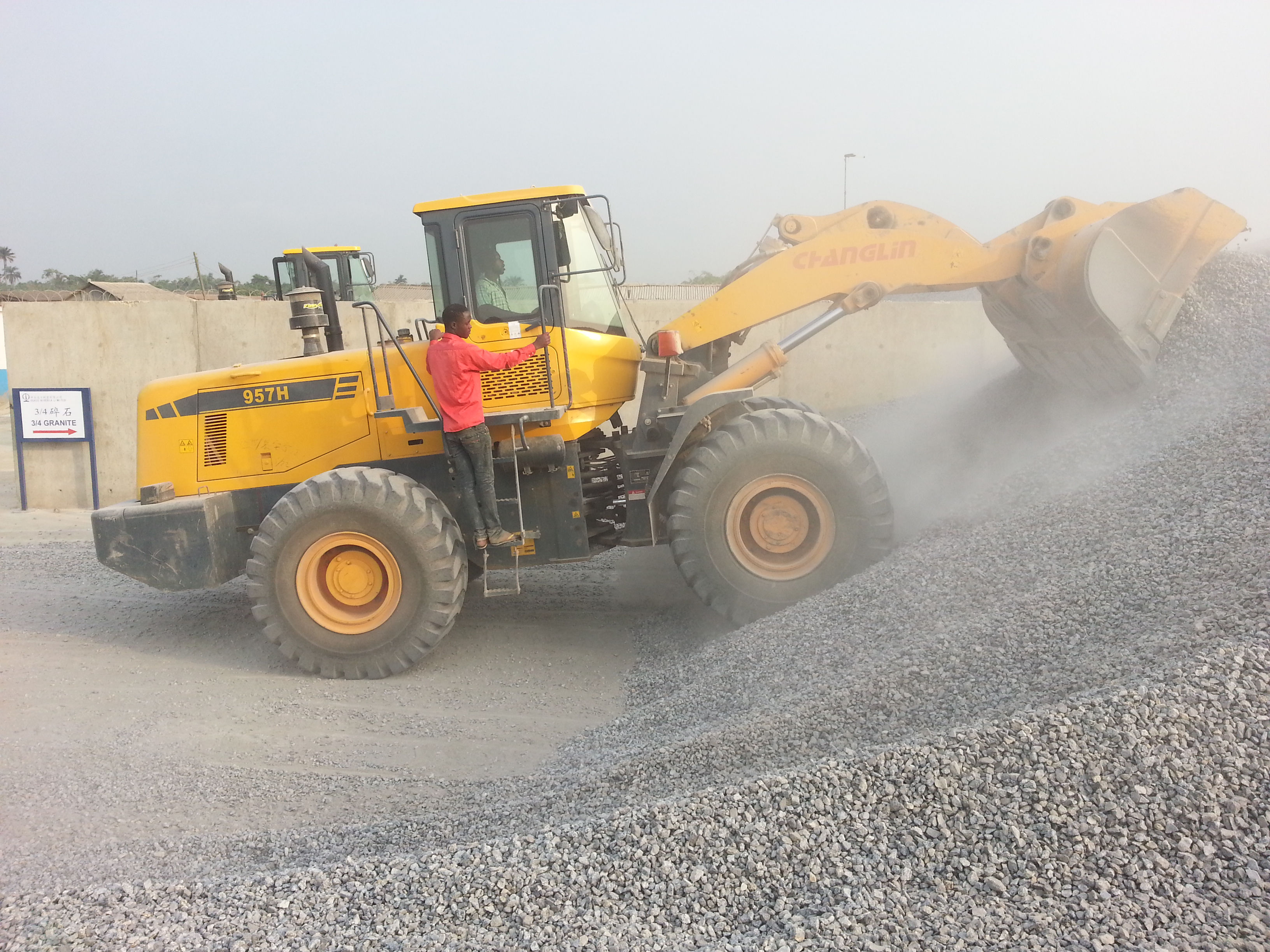
Quarry work is the harshest duty cycle for buckets, teeth, cutting edges and hydraulic components. Plan from day one for:
Ask the supplier how many machines of your model are already running in your region. A supplier with an installed base can usually support spare parts, consumables and training much faster than one selling a first unit into the market.
If your site has special requirements — unusual material, extreme working conditions, or a request to integrate attachments from a specific brand — OEM and ODM supply paths let you specify the machine rather than accept a standard configuration. As a manufacturer backed by SINOMACH resources, Dingsheng Tiangong supports custom configurations and packaged equipment supply for quarry and mining projects, including coordinated delivery of excavators, wheel loaders, graders and support machines on a single order.
A quarry loader or excavator will work for you for years. Choose the supplier the same way: check their manufacturing background, ask about export experience and reference projects, verify the spare-parts pipeline to your destination port, and confirm what training and documentation come with the machines. Buying equipment is the start of the relationship — support is what keeps the crusher fed.
Contact Dingsheng Tiangong for a project-specific recommendation. Please provide your company name, project location, required equipment, quantity, working conditions, destination port and expected purchase date — together with your site material type and planned daily output if available. Our team will respond with a configuration proposal, not a generic price list.
 EN
EN
 AR
AR
 FR
FR
 DE
DE
 IT
IT
 PT
PT
 RO
RO
 RU
RU
 ES
ES
 TL
TL
 LV
LV
 LT
LT
 UK
UK
 VI
VI
 BN
BN
 LA
LA
 MY
MY
 KK
KK