Furnitor Machinarum Constructionis Viarum in Kenya: Praecepta ad Contractiones
Road work is a race between programme and weather, and equipment is what decides who wins it. For contractors in Kenya — and for buyers across East Africa working through Mombasa — the right fleet turns a difficult programme into a profitable one, while the wrong one converts every rainy season into lost weeks. Choosing a road construction equipment supplier in Kenya is therefore a commercial decision, not just a technical one.
This guide covers what contractors should think about before buying road equipment: which machines do what, how Kenyan conditions change the specification, how to judge a supplier, and what to settle before the order is placed.
Why equipment planning decides project margin in Kenya
In a road project, most of the cost lies in materials, fuel, and time. Equipment decisions affect all three:
-
Productivitas — a machine matched to the work completes more metres per shift at lower fuel cost.
-
Disponibilitas — downtime during a working window cannot be recovered; rain will take enough days without mechanical failures adding more.
-
Qualitas — accurate grading and correct compaction prevent rework, which is one of the most expensive forms of waste on a road job.
-
Programme risk — a contractor who owns the right fleet controls the schedule; one who depends on rented or borrowed machines does not.
Matching machines to the road work
Different road activities call for different machines, and most contractors build a fleet around four or five core types:
-
Grader Motoris — shaping and levelling the subgrade and base course; the machine that decides how much material you save and how flat the finished layer is.
-
Roller Viae — compaction of subgrade, base and asphalt layers; compaction discipline determines how long the road lasts.
-
Excavator — excavatio et implumatio, opus drenagii et structurae, et oneratio materiae ubi autolocator adire non potest.
-
Loader Rotundus — tractatio aggregati, oneratio camionum et alimentatio operum ex montibus stoccati.
-
Bulldozer — expurgatio, exspoliatio et movimentum terrae in magnis operibus.
Dimensio machinae sequi debet opus, non contra: conductor qui vias rurales et vias alimentarias tractat vix eandem configurationem requirit atque ille qui viam principalem cum exigentiis fortis compactionis perficit. Logica selectionis cuiusque machinae explicatur in nostris manuali de grader Motoris et loader Rotundus , et aequaliter ad applicatur ad opera in Kenya.
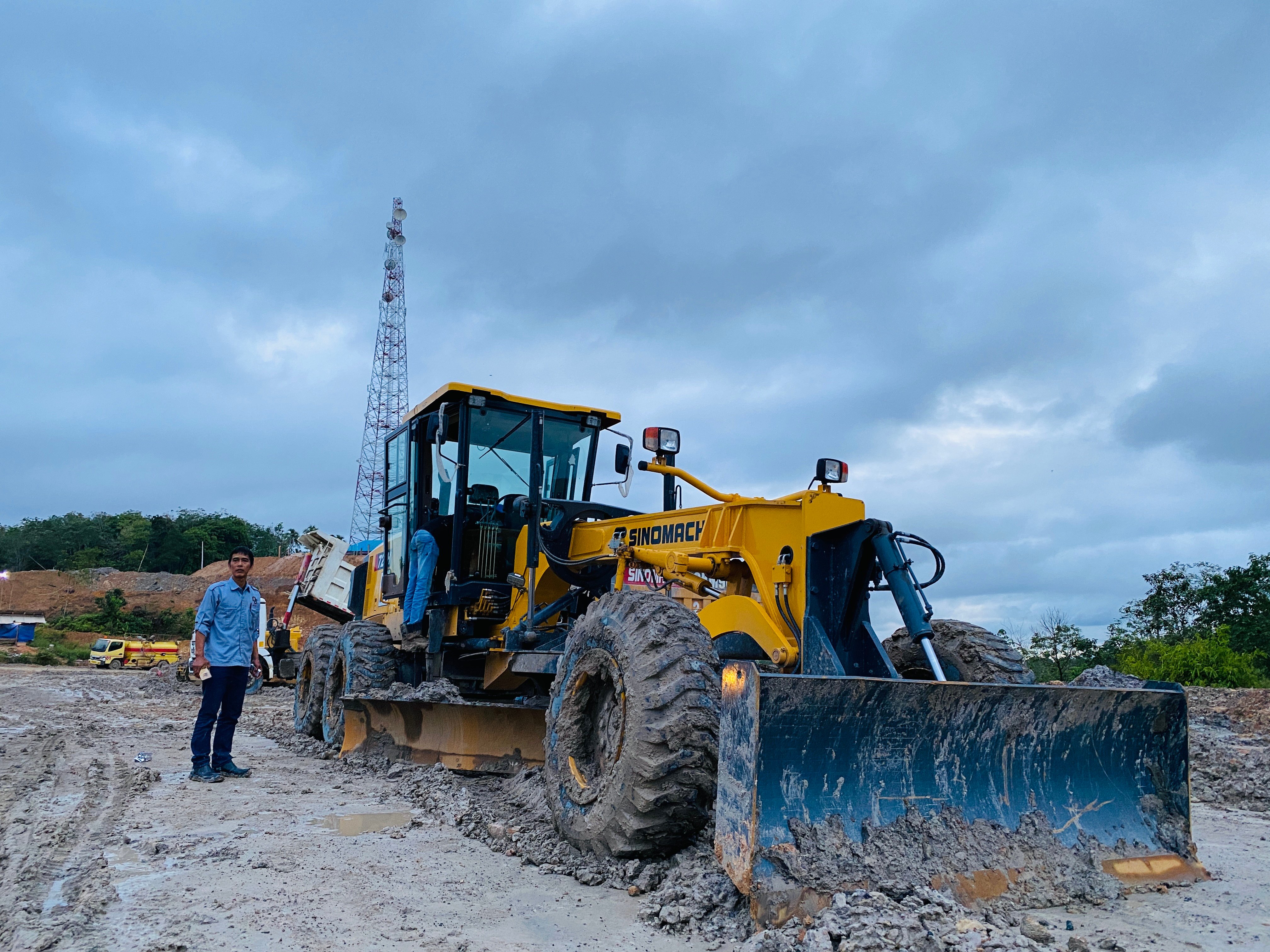
Conditiones loci in Kenya: solum nigrum cotoneum, pulvis et tempora pluviosa.
Opera viaria in Kenya puniunt instrumenta quae non sunt specificata pro conditionibus localibus:
-
Solum nigrum cotoneum et terra mollis — solum expansivum platformas instabiles creat; distributio ponderis machinae, electio rotarum et planificatio drenagii tantum valent quantum vis motoris.
-
Pulvis per tempus siccum — systemata filtrationis et refrigerationis necesse est ut sustineant pulverem continuatum; substructura et puncta unguendi merentur attentionem.
-
Pluviae graves — accessus ad locum et viae vehicularum cito possunt deficere; instrumenta quae in terra molli operari possunt, et machinae ante pluvias curatae, programmati tutelam praebent.
-
Longae distantiae vehiculorum — fontes aggregatorum et materiarum saepe longe a locis operum sunt, ideo efficacia onerandi et vehendi directe afficit productivitatem. Unde materia venit ex quarriis et sedibus frangentium , turma ita disponenda est ut sit systema, non singulae machinae.
Haec condiciona cum suppeditatore tuo discute antequam specificatio definitur. Supplicator qui de solo, temporibus anni et distantiis vehiculorum interrogat, officium suum recte facit.
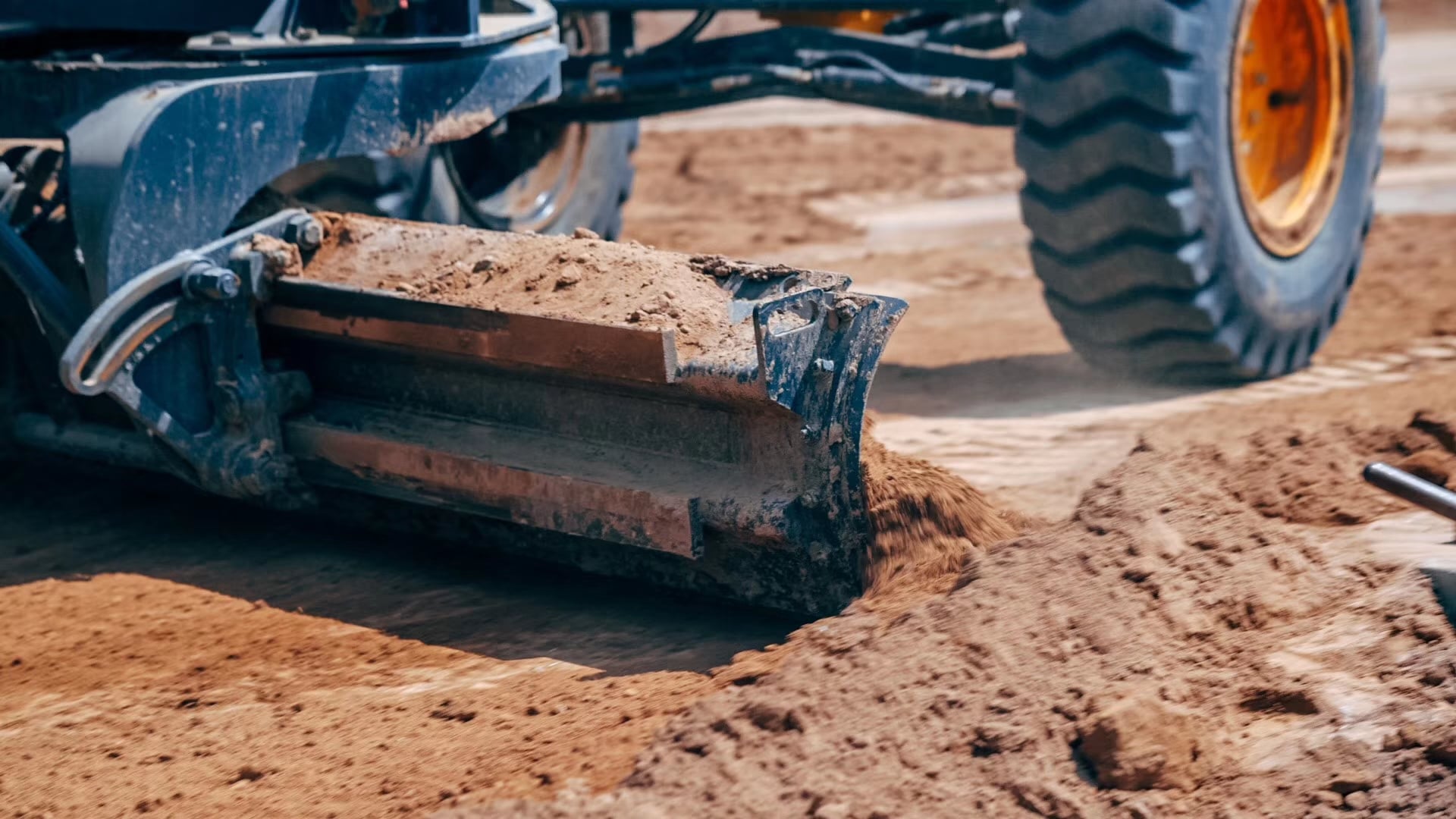
Eligens suppeditatorem instrumentorum pro constructione viarum in Kenya
Decisio de suppeditatore ultra emptionem durat. Suppeditatores compara secundum:
-
Background of manufacturing — Is there a real production base and engineering capability behind the machine?
-
Configuration capability — Can the machines be set up for Kenyan conditions and project specifications?
-
Delivery experience — Has the supplier shipped to Mombasa and supported inland delivery before?
-
Spare parts pipeline — How will filters, wear parts and components reach your site in year two and year three?
-
Doctrina et Commentarii — Who trains your operators, and are manuals and parts catalogues provided?
-
Referentiae — Can the supplier describe similar projects and machine applications?
A supplier who can answer these questions has probably answered them many times before.
Delivery through Mombasa: ports, documents and inland transport
Most imported road equipment enters East Africa through Mombasa. Plan the delivery with your supplier at the same time as the purchase:
- confirm the destination port and the inland route to your site;
- agree which documents are prepared by which party, and when;
- decide who handles offloading, commissioning and handover;
- consider whether machines for regional projects should be consolidated into one shipment.
Buyers in Uganda, Rwanda and South Sudan should note that the same route serves their projects — which makes a supplier with East African delivery experience more valuable than one selling locally only.
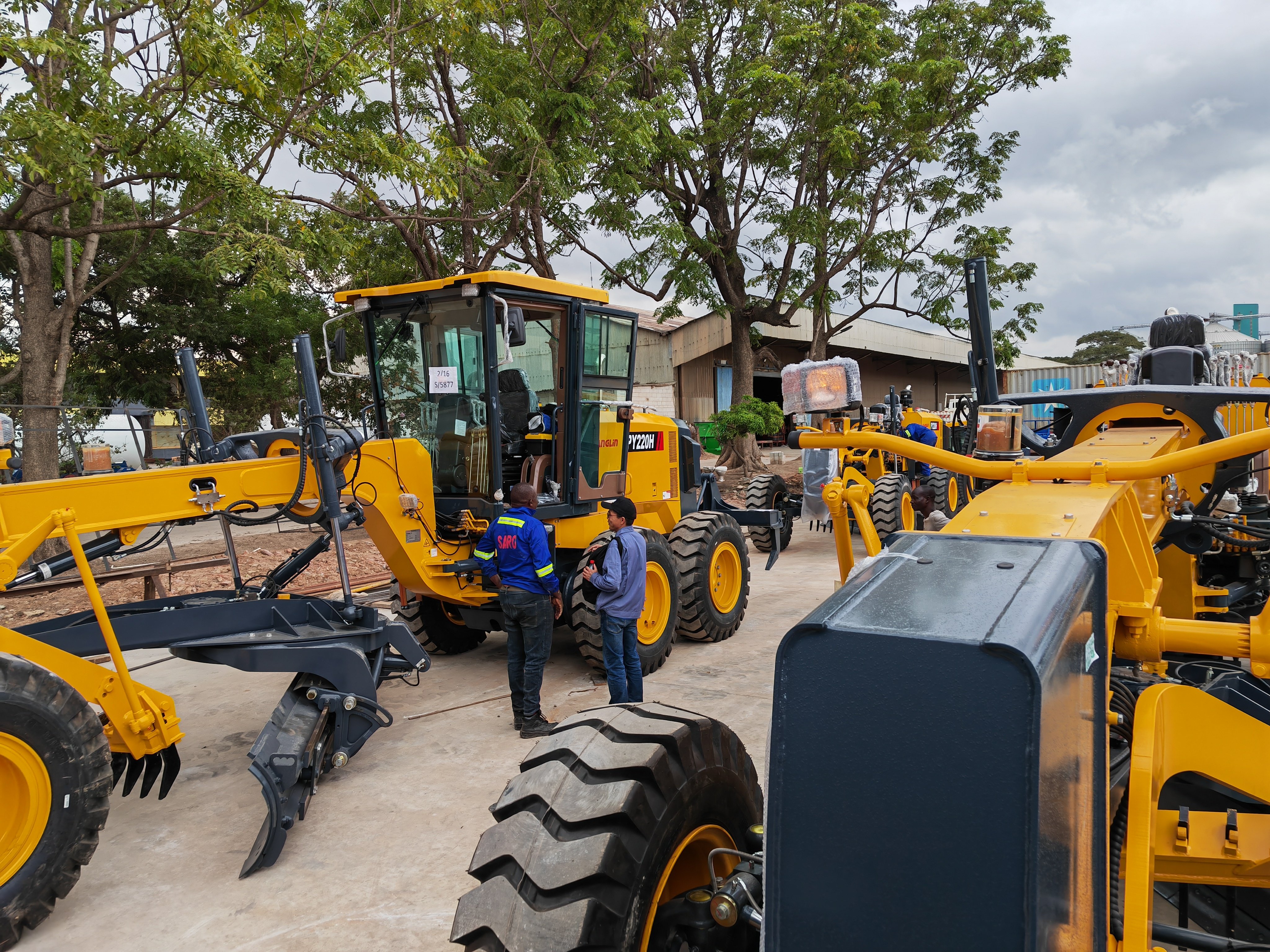
Spare parts and service: settle it before you buy
Road fleets live or die on parts availability. Before the order is confirmed:
- agree the recommended running spares to ship with the machines;
- confirm the spare parts route to your site and who manages it;
- agree warranty terms in writing, including what voids cover;
- confirm operator and service training for your team;
- ask the supplier to keep your machine specifications on file for future orders.
Checklist before you place your order
Prepare these details to receive a serious proposal:
- project type and location, and the roads you are constructing;
- work scope: earthworks, base and subbase, asphalt or rehabilitation;
- material sources and haul distances;
- outputum necessarium per diem et tempus laboris;
- genera et numerus machinarum quas emere intenditis;
- portum destinatarium et diem emptionis expectatam;
- ulla specificatio vel documentatio proiecti requiritur.
Contaktate Dingsheng Tiangong pro recommendatione instrumentorum viarum ad proiectum speciale. Favete nomine vestrae societatis, loco proiecti, instrumentis necessariis, numero, conditionibus laboris, portu destinatario et die emptionis exspectata — una cum ambitu proiecti et conditionibus solum propositi. Egregium nostrum officium respondebit propositione configurationis, non tabula pretiorum generica.


 EN
EN
 AR
AR
 FR
FR
 DE
DE
 IT
IT
 PT
PT
 RO
RO
 RU
RU
 ES
ES
 TL
TL
 LV
LV
 LT
LT
 UK
UK
 VI
VI
 BN
BN
 LA
LA
 MY
MY
 KK
KK