EN
EN
 AR
AR
 FR
FR
 DE
DE
 IT
IT
 PT
PT
 RO
RO
 RU
RU
 ES
ES
 TL
TL
 LV
LV
 LT
LT
 UK
UK
 VI
VI
 BN
BN
 LA
LA
 MY
MY
 KK
KK


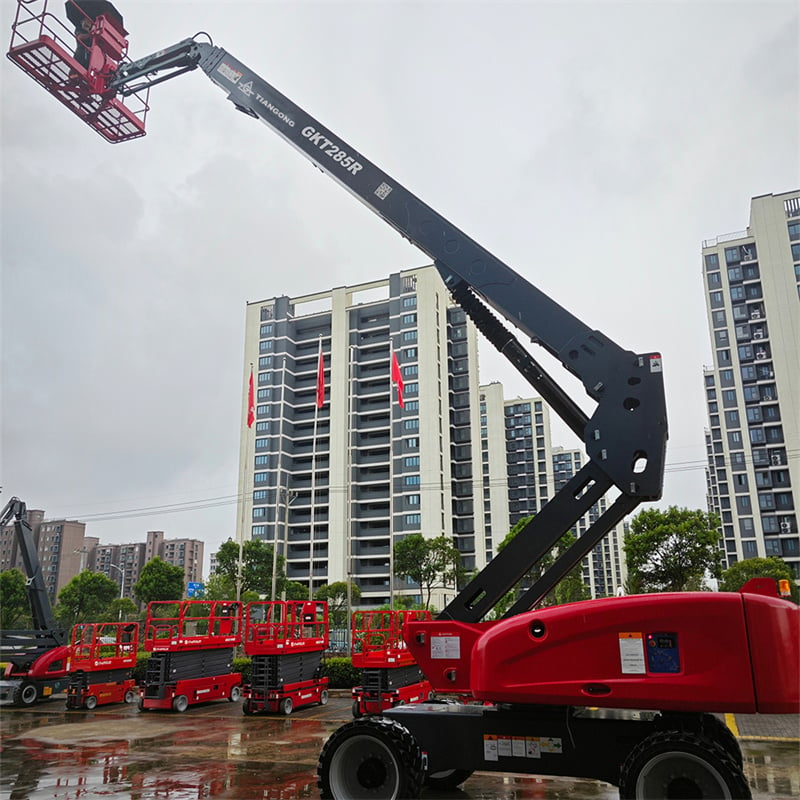
Aerial work platforms can make a job easier to do, but safety is very important. We at DINGSHENG TIANGONG think that using these platforms in the best way possible serves as a safety measure. Aerial work platforms, including scissor hoists and boom lifts, let workers get to high places, but if they are not used the right way, they can be the sites of accidents. In this article, we will explore some safety standards as well as what you should avoid while using water jet machines. Understanding these reasons can help workers make their work-places safer.
What are the Basic Safety Guidelines of Aerial Work Platforms?
Safety practices are guidelines to help keep you safe when operating Aerial Work Platforms. First, you definitely want to carefully read the user manual. Different platforms may have different rules, and safety features. Understanding the operation of the machine prevents accidents. Second, always be sure that you are wearing the proper PPE. This includes helmets, safety belts and safety shoes. PPEs safeguard workers from falling objects and slipping. Third, the space surrounding the platform must be free from any obstructions. This reduces incident of bumping or tripping on something. The fourth is to check the machine before use. Check for any cuts or wear. If something doesn’t seem right, don’t use the machine; tell a supervisor about it. Fifth, keep the platform level. You may find that it tips over a bit if you try to use it on uneven ground. Prepare a more stable ground if possible, or use stabilizers if you have them. Incidentally, don't go over the platform’s weight limit. Every machine has a weight limit, and going past this can result in potentially dangerous situations. Finally, never attempt to use the platform in bad weather condition, such as high or heavy rain. Working in high places can be risky, especially if weather doesn’t cooperate. By adhering to these procedures, operators can make sure that everybody enjoys a safe experience on their aerial work platform.
What are the Most Common Aerial Work Platform Operating Mistakes to Avoid?
As is the case with other pieces of equipment, there are mistakes operators regularly make when operating aerial work platforms that can cause accidents. There are safety features of the machine, not using them is a big mistake. Most aerial work platforms are equipped with guardrails and other safety devices, but some operators don’t use them. You should always, always wear safety gear like this to protect yourself in case of a fall. A second mistake is having too little training. It is critical for operators to be effectively trained using aerial work platforms. The risk of accidents is greater for someone who is untrained and doesn’t know how to use the machine appropriately. Also, some expect to be able to use the platform for work that it was never meant to handle. But carrying heavy loads or people on a scissor lift, for example, is no less risky. Always stick to the rules for what a platform can do. Another mistake is working alone. If something goes wrong, it helps to have a friend or supervisor on hand. If a mishap occurs, the presence of another person can mean all the difference. And lastly, if you tune in to the environment, that could also be a mistake. Workers must always be conscious of power lines, co-workers and equipment in their vicinity. If workers can steer clear of these errors, they'll be helping to promote a safe work environment and decreasing the risk of accidents involving aerial work platforms.
Training Your Team in the Safe Operation of Aerial Work Platforms
Training is crucial when operating aerial work platforms, or AWPs machines to assist working high in the air, such as on buildings or bridges. Here at DINGSHENG TIANGONG, we feel that proper training is the key to keeping everyone safe. Step one is to perform the most elementary safety precautions. Fast forward to 2019, everyone knows you need to wear a helmet and safety harness while operating one of these machines. These things will keep them safe if they fall. Another question was can also an a good education include how an aerial work platform is correctly used. That means knowing how to drive it, how to raise and lower it, and how to move it from side to side.
To ensure that everyone gets it, you might employ some hands-on training. Which is to say, you need team members who can practice on the machine in a safe area where no one will die while they are figuring it out. They should be allowed to receive the right guidance and get all questions treated by experienced trainers. After the hands-on training, it is a good idea to have a quiz or test, so that you can make sure that everybody has understood the theoretical part. This ensures that no one misses vital information.
Finally, be sure to have your team review safety checks before moving in to start work. They should be inspecting the machine to see that everything is working well, like the brakes and the steering. They should report immediately anything that doesn’t seem right and they should not use the machine until it is repaired. Keeping everyone current with safety practices can also be aided through regular refresher courses. In the end, adequate training is key for all to stay safe on aerial work platforms.
Where Can You Find Detailed Safety Aerial Work Platform Tools And Guides?
The importance of good safety resources is crucial for anyone who works with aerial work platforms. At DINGSHENG TIANGONG Agricultural Machinery, we understand the importance of providing our team with the right information to stay safe. The internet is one of the richest sources of safety resources out there. There are many organizations and safety groups that provide free guides, videos and checklists. This resource can help anyone to know how best they should be using aerial work platforms safely. You may also want to search for actual sites that specialize in construction safety and heavy equipment operation.
Contacting local safety organizations is another good choice. In many cases these groups provide workshops or training sessions where workers can learn more about safety practices. They may even have professionals who can visit your workplace to provide hands-on training. Safety manuals that come with the aerial work platforms are also useful. Moreover, many of these manuals have special safety suggestions for each machine that are very helpful.
It may also be helpful to join forums or online groups. Here, workers can talk about their experiences and what they do to be more cautious in using AWP (aerial work platforms) safely. They can seek advice if they aren’t sure about something, and other long-time users can offer tips. Lastly, always suggest for your team members to share any new information they come across. Safety-related conversations that are open and ongoing enable all of us to learn and remain safe.
How To Select The Best Aerial Lift For Your Needs?
The correct aerial work platform selection can make all the difference. At DINGSHENG TIANGONG, we understand that there are hundreds of types of aerial work platforms and each is built for a specific task. First, consider how high you need to fly. Some jobs might need only a platform that makes it a few feet off the ground, while others could require something that goes up really high. If you know what height will suit your needs, that can help to narrow down options.
Next, think about the weight of your materials or equipment that need to be lifted. Weight Limit: Various aerial work platforms have different weight limitations. It is essential to select one that can safely carry the load. The machine may tip over if you lift too much weight, and that is very dangerous.
Another consideration to make is where you’ll be using your aerial work platform. If your project is indoors, you may need a smaller, electric platform machinery wide enough to fit through doorways. If it’s outside and rough, then a larger, more stable platform might be needed. Also keep in mind the number of individuals who will be using the platform all at once. Some are designed for one person, while others can accommodate several workers and their tools.
And last but certainly not least. Seek features such as guard rails, emergency shut-off buttons and stability controls. Promises like that can go a long way toward ensuring everyone stays safe on the job. When you take a moment to select the right aerial work platform, it allows your workforce to be more productive and safe.
Table of Contents
- What are the Basic Safety Guidelines of Aerial Work Platforms?
- What are the Most Common Aerial Work Platform Operating Mistakes to Avoid?
- Training Your Team in the Safe Operation of Aerial Work Platforms
- Where Can You Find Detailed Safety Aerial Work Platform Tools And Guides?
- How To Select The Best Aerial Lift For Your Needs?