EN
EN
 AR
AR
 FR
FR
 DE
DE
 IT
IT
 PT
PT
 RO
RO
 RU
RU
 ES
ES
 TL
TL
 LV
LV
 LT
LT
 UK
UK
 VI
VI
 BN
BN
 LA
LA
 MY
MY
 KK
KK


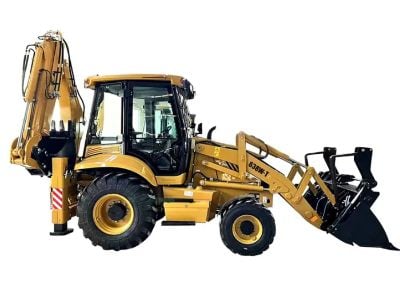
A backhoe Excavator is a powerful attachment that can dig, lift, and move heavy materials with ease. When paired with a dozer, it creates a versatile machine capable of handling a wide range of construction, excavation, and earthmoving tasks. However, for both machines to perform efficiently, their hydraulic systems and mechanical connections must work together properly. Understanding the hydraulic requirements, maintenance practices, and common troubleshooting methods is essential for maximizing performance and minimizing downtime. At DINGSHENG TIANGONG, we specialize in durable equipment and attachments that are designed to deliver reliable performance in demanding job site conditions
What Are the Hydraulic Needs for Backhoe on Dozer
The hydraulic system is one of the most important components when attaching a backhoe to a dozer, as it provides the power needed for digging, lifting, and other attachment functions. Hydraulic fluid flows from the dozer through hoses and control valves to operate the backhoe smoothly and efficiently. Maintaining the correct hydraulic pressure is essential because pressure that is too low can reduce digging force and lifting capacity, while excessive pressure may damage hoses, seals, and hydraulic components. Regularly checking hydraulic fluid levels, inspecting hoses for cracks or leaks, and replacing worn hydraulic lines help prevent performance issues and equipment failure. Keeping the hydraulic filter clean is equally important, as contaminated fluid can reduce efficiency and shorten the lifespan of hydraulic components. At DINGSHENG TIANGONG, we recommend using heavy-duty hydraulic hoses and quality replacement parts to ensure reliable operation, minimize downtime, and maximize productivity on the job site
Common Problems When Attaching Backhoe to Dozer
Although backhoes and bulldozers are designed to work together, several common issues can occur during installation and operation. One of the most frequent problems is attachment misalignment, which makes connecting the backhoe difficult and increases installation time. Carefully aligning the attachment before securing the mounting pins helps ensure a proper fit. Pins and locking mechanisms may also become difficult to engage if dirt, rust, or lack of lubrication is present, making regular cleaning and lubrication essential for smooth operation. Hydraulic control problems are another common concern, as incorrect hydraulic connections or system pressure issues may cause the backhoe to respond slowly or move unexpectedly. Operators should become familiar with the hydraulic controls before beginning work to avoid operational errors. Routine inspections, proper maintenance, and adherence to safety procedures help prevent these issues and allow the backhoe and dozer to operate together safely and efficiently. DINGSHENG TIANGONG recommends inspecting both machines before every job to maintain reliable performance
What Maintenance Is Required for Hydraulic Systems in Dozer Attachments
Proper hydraulic maintenance is essential for keeping backhoe attachments operating efficiently and preventing costly repairs. One of the first maintenance tasks is checking the hydraulic fluid reservoir regularly and adding fluid whenever levels become low. Hydraulic oil should remain clean and free from contamination, as dirty fluid can reduce system performance and damage internal components. Operators should inspect hydraulic hoses, fittings, and connectors for leaks, cracks, or signs of wear and repair any damage immediately to prevent pressure loss and safety hazards. Hydraulic filters should also be cleaned or replaced according to the manufacturer's maintenance schedule to maintain unrestricted fluid flow. In addition, hydraulic cylinders responsible for lifting and digging should be inspected for leaks, bent rods, or damaged seals that could reduce performance. By performing routine maintenance, operators can improve equipment reliability, reduce unexpected downtime, and ensure that both the dozer and backhoe continue working together effectively. At DINGSHENG TIANGONG, we emphasize preventive maintenance as the best way to extend equipment lifespan
How to Fix Common Problems in Backhoe-Dozer Attachments
Even with proper maintenance, hydraulic and mechanical issues may occasionally occur when operating a backhoe attachment on a dozer. If the backhoe moves slowly or fails to respond correctly, the first step is to check the hydraulic fluid level and refill it if necessary. Unusual noises coming from the hydraulic system may indicate trapped air or a failing hydraulic pump, requiring the system to be bled or professionally inspected. If the attachment cannot lift heavy loads properly, damaged hydraulic cylinders or leaking seals may be responsible and should be repaired or replaced promptly. Stiff or unresponsive controls can result from clogged hydraulic valves or contaminated fluid, making thorough cleaning and filter replacement necessary. Operators should also inspect all hydraulic connections for loose fittings or leaks before assuming more serious mechanical failures. DINGSHENG TIANGONG provides technical support and quality replacement components to help customers quickly resolve hydraulic issues and restore normal machine performance
Best Practices for Operating a Backhoe on a Dozer
Safe and efficient operation begins with understanding both the dozer, Paver, and the backhoe attachment before starting work. Operators should carefully read the equipment manuals and become familiar with all controls, safety features, and operating procedures. Before each job, perform a complete inspection by checking hydraulic fluid levels, looking for leaks, ensuring all attachment pins are secure, and confirming that hoses and fittings are in good condition. Wearing appropriate personal protective equipment, including a hard hat, gloves, safety boots, and eye protection, is essential for job site safety. During operation, use smooth and controlled movements instead of sudden or aggressive actions that may place unnecessary stress on the hydraulic system or reduce machine stability. Heavy loads should always be carried close to the ground to improve balance and reduce the risk of tipping. Operators should remain aware of nearby workers, obstacles, and underground utilities while maintaining clear communication with the rest of the construction team through hand signals or radios when necessary. By following these best practices, contractors can improve productivity, enhance workplace safety, and maximize the performance of their DINGSHENG TIANGONG backhoe and dozer equipment.